Our Chemicals
Browse our range of industrial and specialty chemicals
Showing 43 products
EIOS T2-U Electrical Insulating Oil
EIOS T2-U is an uninhibited electrical insulating oil. It contains no added synthetic antioxidant, relying instead on the natural inhibitors left by refining, which suits transformers specified to that tradition.
EIOS T2-HI Electrical Insulating Oil
EIOS T2-HI is a high-grade inhibited electrical insulating oil, carrying an added synthetic antioxidant. The inhibitor extends oxidation life substantially, but it is consumed over time and must be monitored.
Mineral Oil
Mineral oil is a highly refined petroleum distillate stripped of aromatics and unsaturates. White oil grades meet pharmacopoeial purity and are used where the oil will contact skin, food or pharmaceuticals.
Cyanocobalamin
Cyanocobalamin is the synthetic, most stable form of vitamin B12, carrying a cyanide group at the cobalt centre. The body must convert it to an active coenzyme form before it can be used.
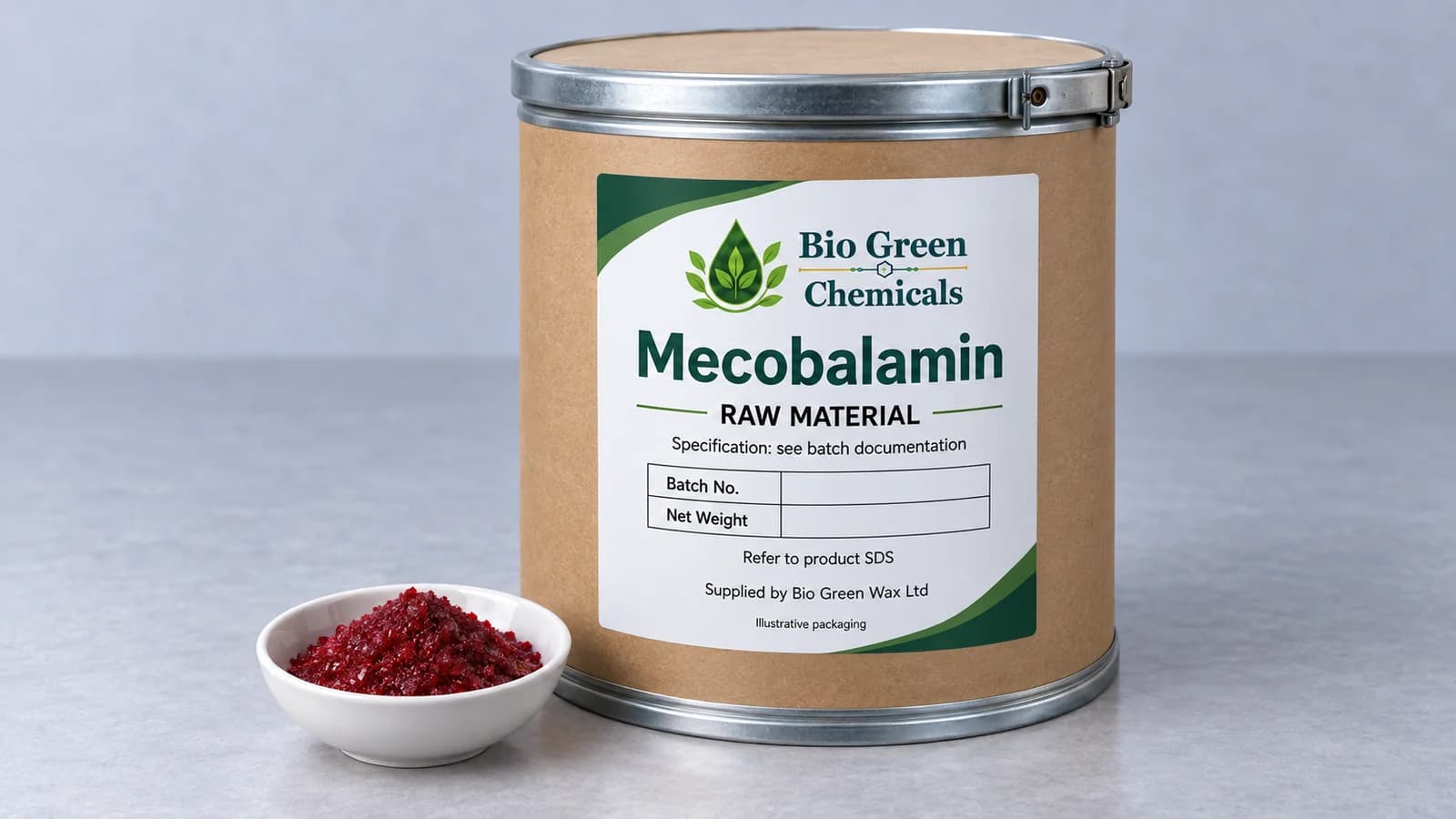
Mecobalamin
Mecobalamin, methylcobalamin, is one of the two coenzyme forms of vitamin B12 the body actually uses. It is the cofactor for methionine synthase, which is why it is specified where methylation support is the objective.
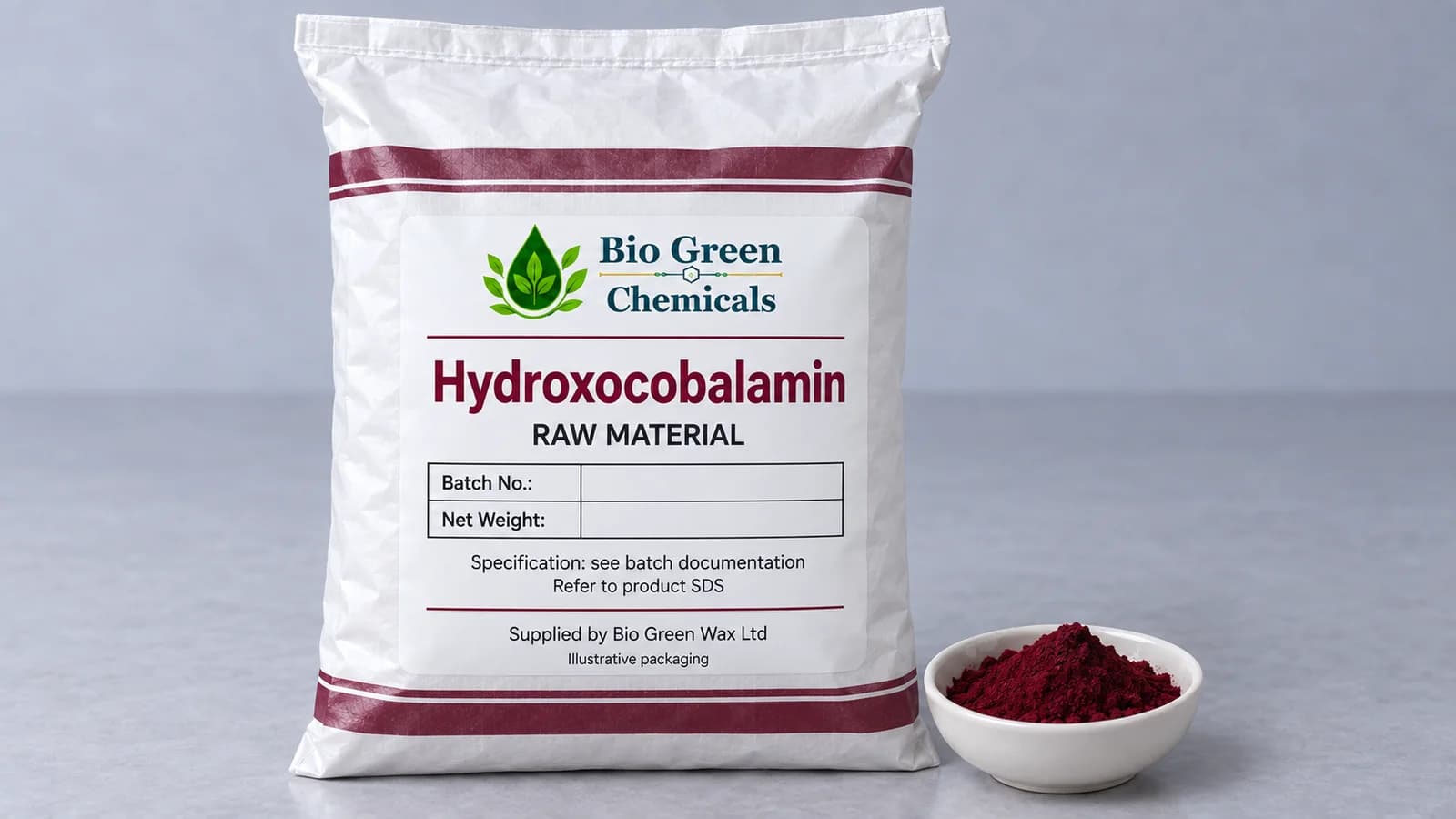
Hydroxocobalamin
Hydroxocobalamin is the injectable form of vitamin B12 and, at high dose, the standard antidote for cyanide poisoning. It binds cyanide directly at its cobalt centre to form cyanocobalamin, which is excreted.
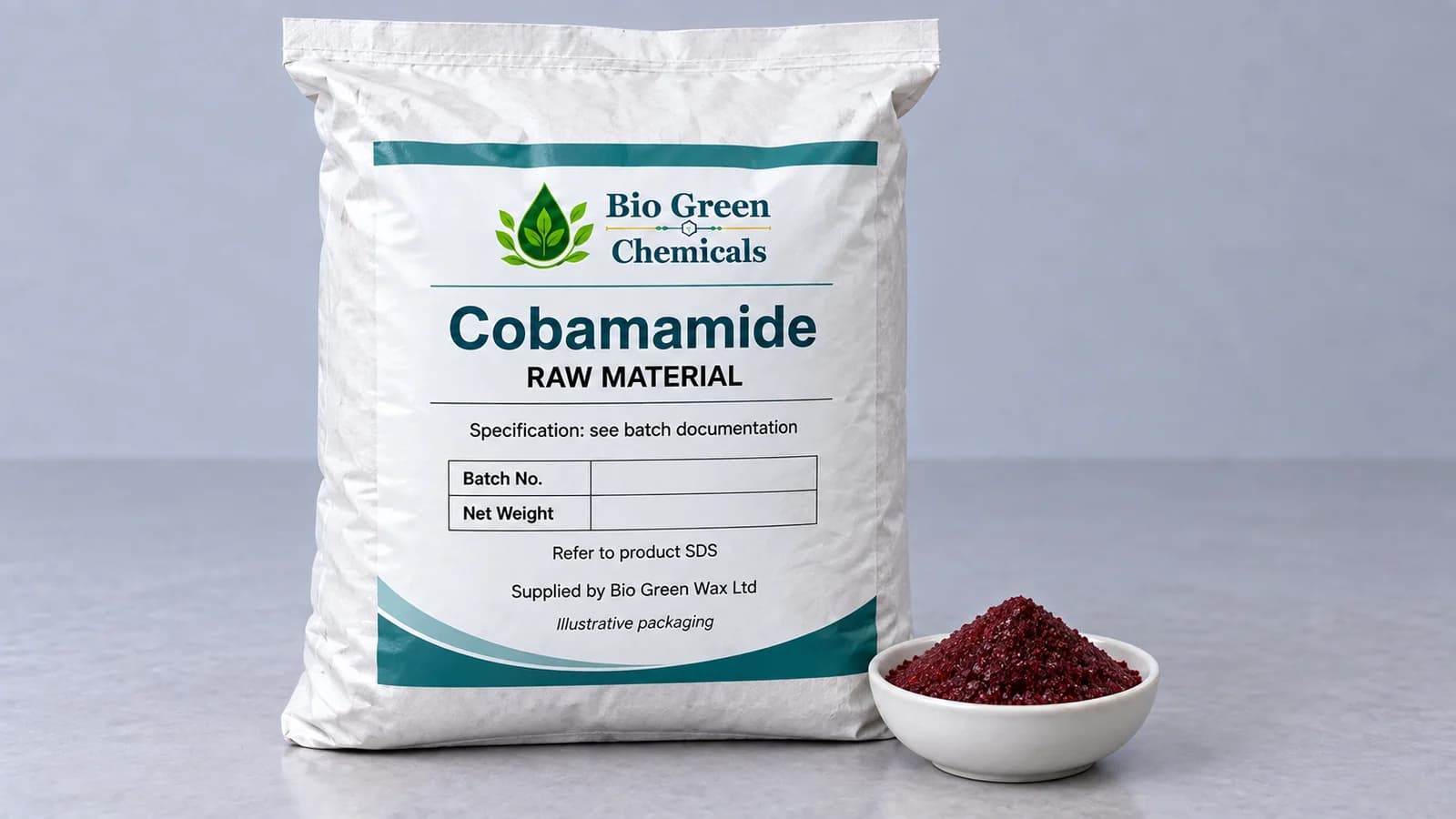
Cobamamide
Cobamamide, adenosylcobalamin, is the second coenzyme form of vitamin B12 and the one that predominates inside cells. It is the cofactor for methylmalonyl-CoA mutase, a mitochondrial rather than cytosolic enzyme.
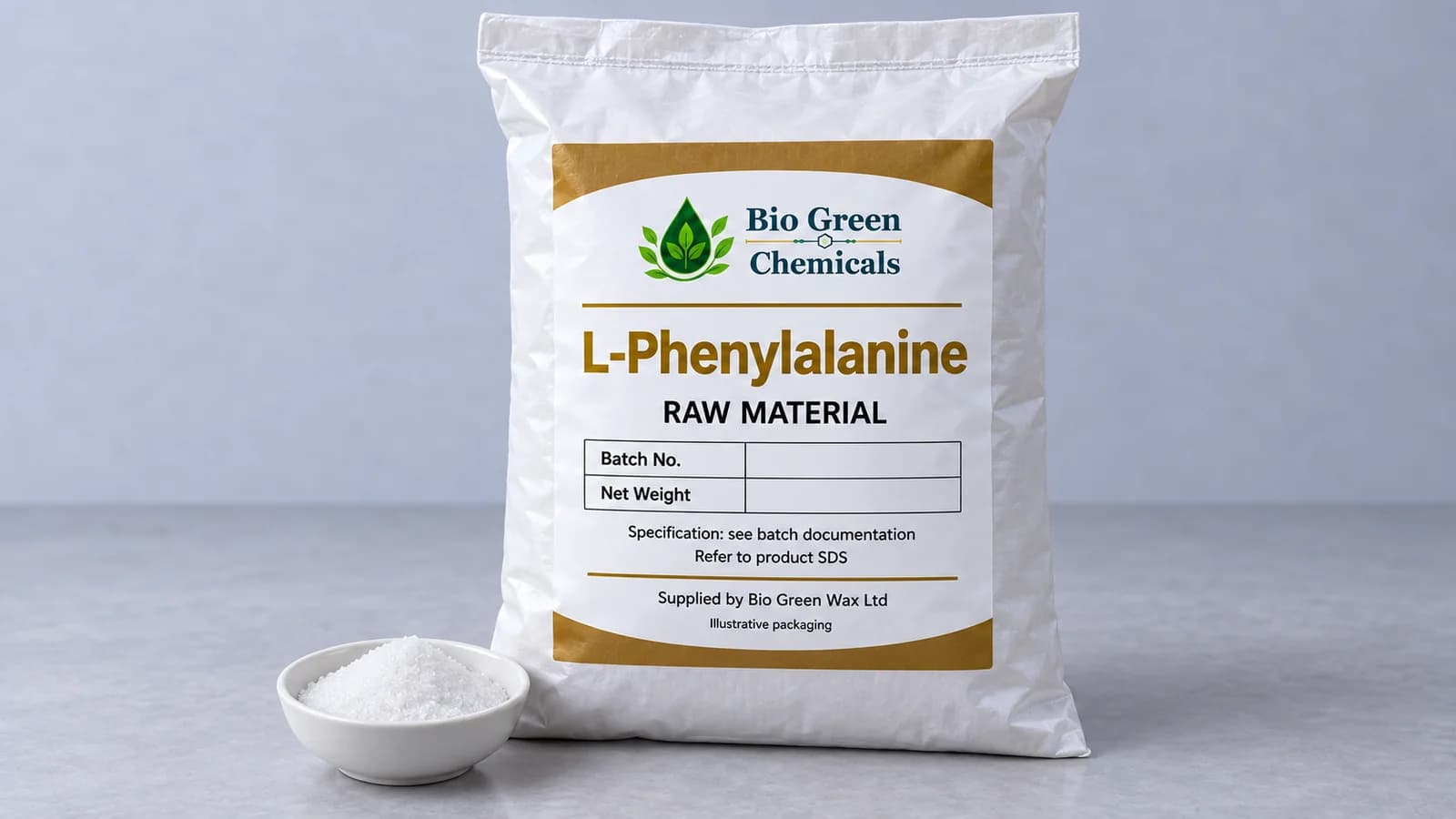
L-Phenylalanine
L-phenylalanine is an essential aromatic amino acid, produced by fermentation. Its largest single industrial use is as one of the two amino acids from which aspartame is synthesised.
Acarbose
Acarbose is an alpha-glucosidase inhibitor used to control post-meal blood glucose. It works entirely within the gut, blocking the enzymes that break starch into absorbable sugar, rather than acting systemically.
Ubidecenone
Listed here as Ubidecenone, this material is ubidecarenone, the INN for coenzyme Q10 (CAS 303-98-0). It is the lipid-soluble electron carrier of the mitochondrial respiratory chain and a well-established antioxidant.
Sodium Gluconate
Sodium gluconate (CAS 527-07-1) is a chelating agent that keeps working in strong alkali, where EDTA and phosphates fail. That single property makes it the standard sequestrant for caustic cleaning and bottle washing.
Lysine
Lysine is the first limiting amino acid in pig and poultry diets built on cereals. Supplementing it lets a formulator cut total crude protein, which reduces feed cost and nitrogen excretion at the same time.
Dibutyl Phthalate (DBP)
Dibutyl phthalate, DBP (CAS 84-74-2), is a low molecular weight phthalate with strong solvating power. It is classified as toxic for reproduction in the EU and requires authorisation under REACH.
Dioctyl Adipate (DOA)
Dioctyl adipate, DOA (CAS 103-23-1), is an aliphatic rather than aromatic plasticiser. Its flexible straight-chain backbone is what gives PVC genuine low-temperature performance, down to around minus 40 degrees Celsius.
Trioctyl Trimellitate (TOTM)
Trioctyl trimellitate, TOTM (CAS 3319-31-1), carries three ester groups instead of two, which raises its molecular weight sharply. That is what makes it the plasticiser for cable rated to continuous high temperature.
Diisononyl Phthalate (DINP)
Diisononyl phthalate, DINP (CAS 28553-12-0), is a high molecular weight phthalate. Its larger branched chains make it far less migratory than DOP and it is not classified as a reproductive toxicant, though toy use is restricted.
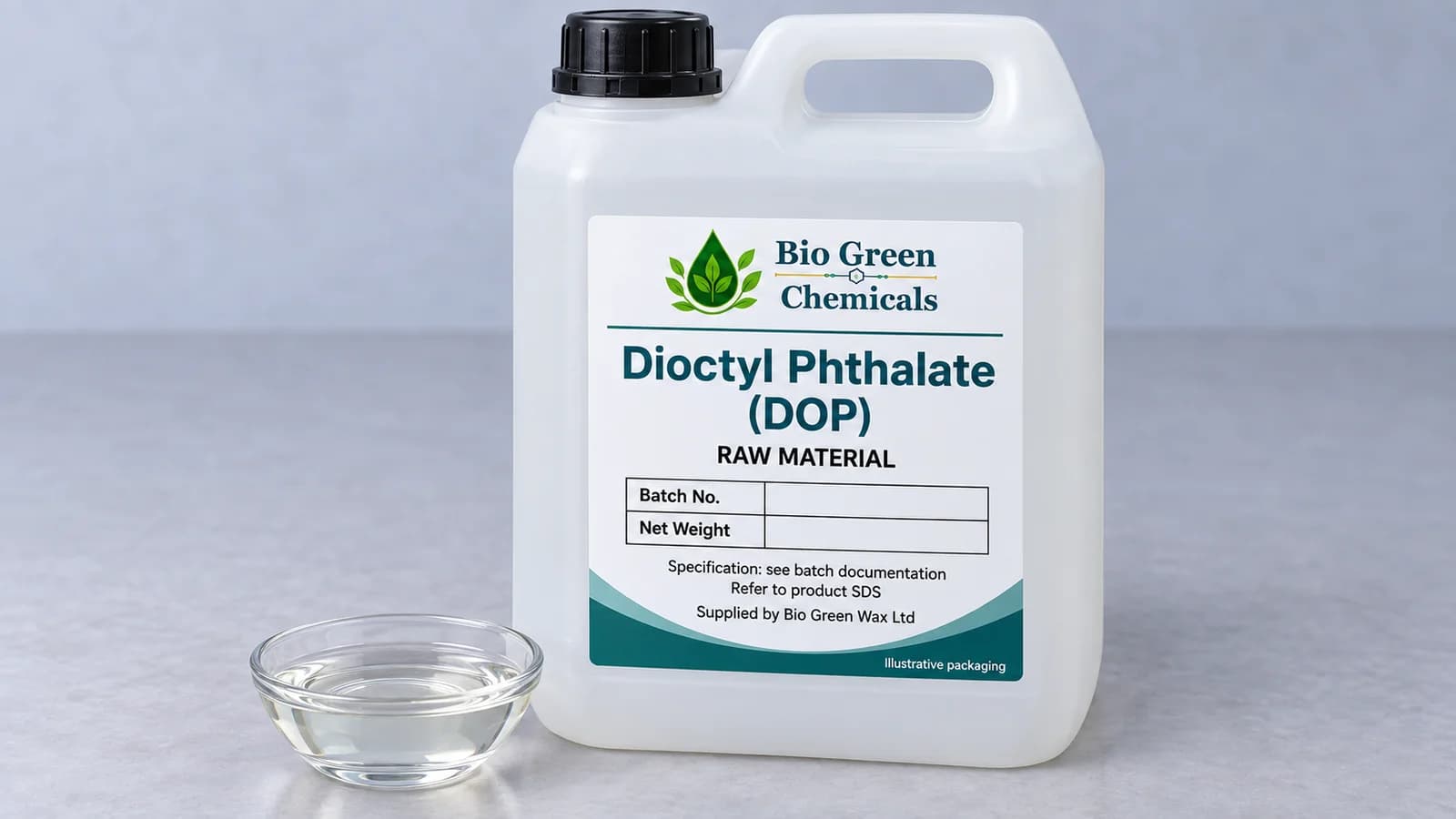
Dioctyl Phthalate (DOP)
Dioctyl phthalate, DOP or DEHP (CAS 117-81-7), was the benchmark PVC plasticiser for decades. It is classified as toxic for reproduction in the EU and is on the REACH authorisation list, so use requires authorisation.
Borax
Borax (CAS 1303-96-4) is sodium tetraborate, the buffering and fluxing borate. It is classified as a reproductive toxicant in the EU, which has restricted its consumer use without affecting its industrial position.
Calcium Hydroxide
Calcium hydroxide (CAS 1305-62-0), hydrated or slaked lime, is the cheapest bulk alkali available. It is only slightly soluble, which is precisely what makes lime slurry a self-buffering pH control reagent.
Calcium Chloride
Calcium chloride (CAS 10043-52-4) dissolves with a strong exothermic reaction, releasing heat rather than absorbing it. That is why it melts ice faster than salt and keeps working at far lower temperatures.
Glucose
Glucose (CAS 50-99-7) is used industrially as a fermentation feedstock and as a reducing agent. In electroless and mirror silvering it reduces silver ions to metal, depositing a coherent film without any electric current.
Potassium Hydroxide
Potassium hydroxide (CAS 1310-58-3), caustic potash, is the potassium analogue of caustic soda. The difference in cation matters: potassium soaps are soft and soluble where sodium soaps are hard.
Maltodextrin
Maltodextrin (CAS 9050-36-6) is starch hydrolysed to a dextrose equivalent below 20. Industrially it is bought as a carrier and encapsulating wall material rather than as a sweetener, because it is bland and film-forming.
Bone Glue
Bone glue is animal collagen hydrolysed further than gelatine, giving lower gel strength and a darker colour. It remains in use in furniture restoration because the joint it makes is reversible with heat and moisture.
Gelatine
Gelatine (CAS 9000-70-8) is partially hydrolysed collagen, graded by Bloom strength. Its industrial uses depend on its ability to form a thermoreversible gel and to adsorb strongly onto surfaces and crystals.
Xanthan Gum
Xanthan gum (CAS 11138-66-2) is used industrially for its shear-thinning behaviour and its tolerance of salt. In drilling fluids it suspends cuttings at rest yet thins under the pump, which is exactly what a mud must do.
Zinc Chloride
Zinc chloride (CAS 7646-85-7) is the active ingredient of soldering flux. It dissolves the oxide film on a metal surface at soldering temperature so the molten solder can wet the bare metal underneath.
Zinc Oxide
Zinc oxide (CAS 1314-13-2) is consumed in greater tonnage by the rubber industry than by all its other uses combined. It activates the sulphur vulcanisation system, without which accelerators barely work at all.
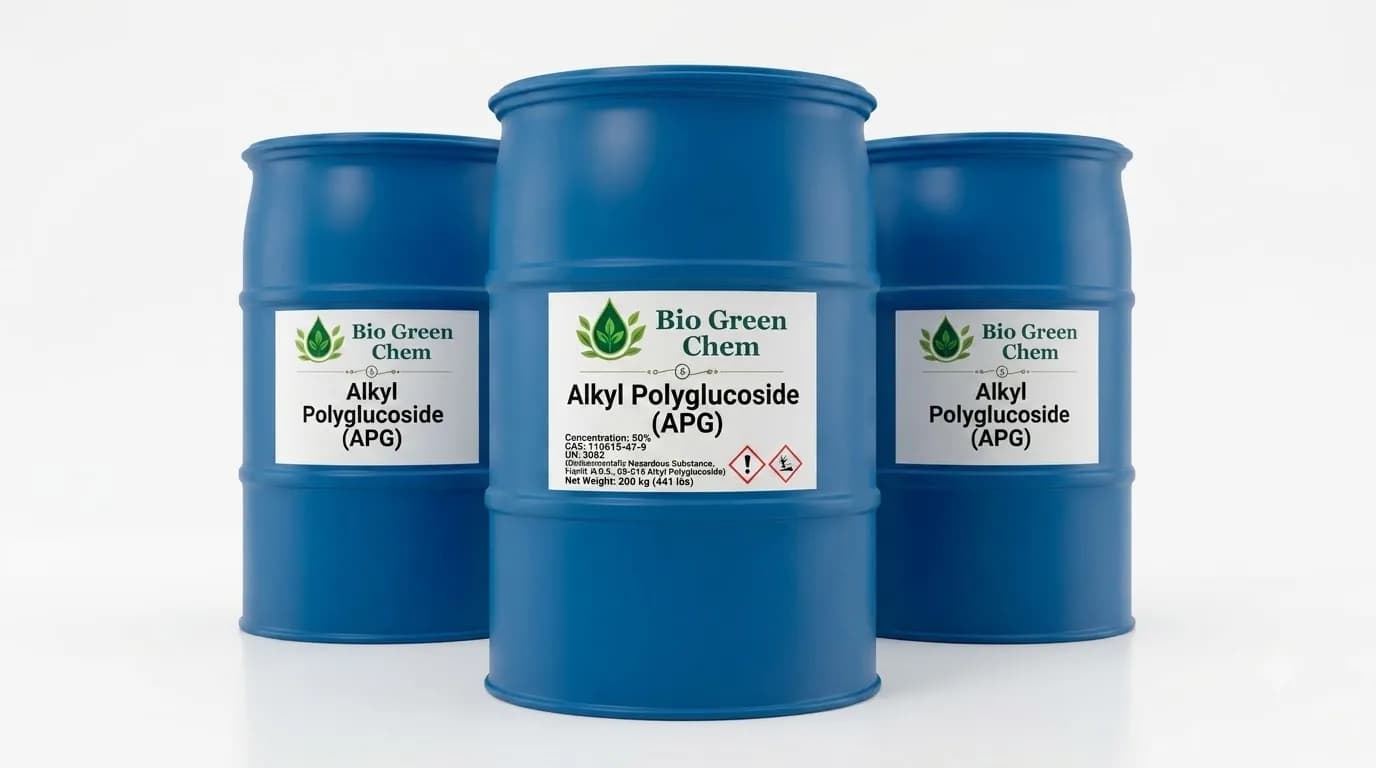
Alkyl Polyglucoside (APG)
Alkyl polyglucoside (CAS 68515-73-1, INCI Coco-Glucoside) is the rare non-ionic surfactant that stays effective in strong caustic. That alkali stability is why it is specified in heavy-duty and CIP cleaning formulations.
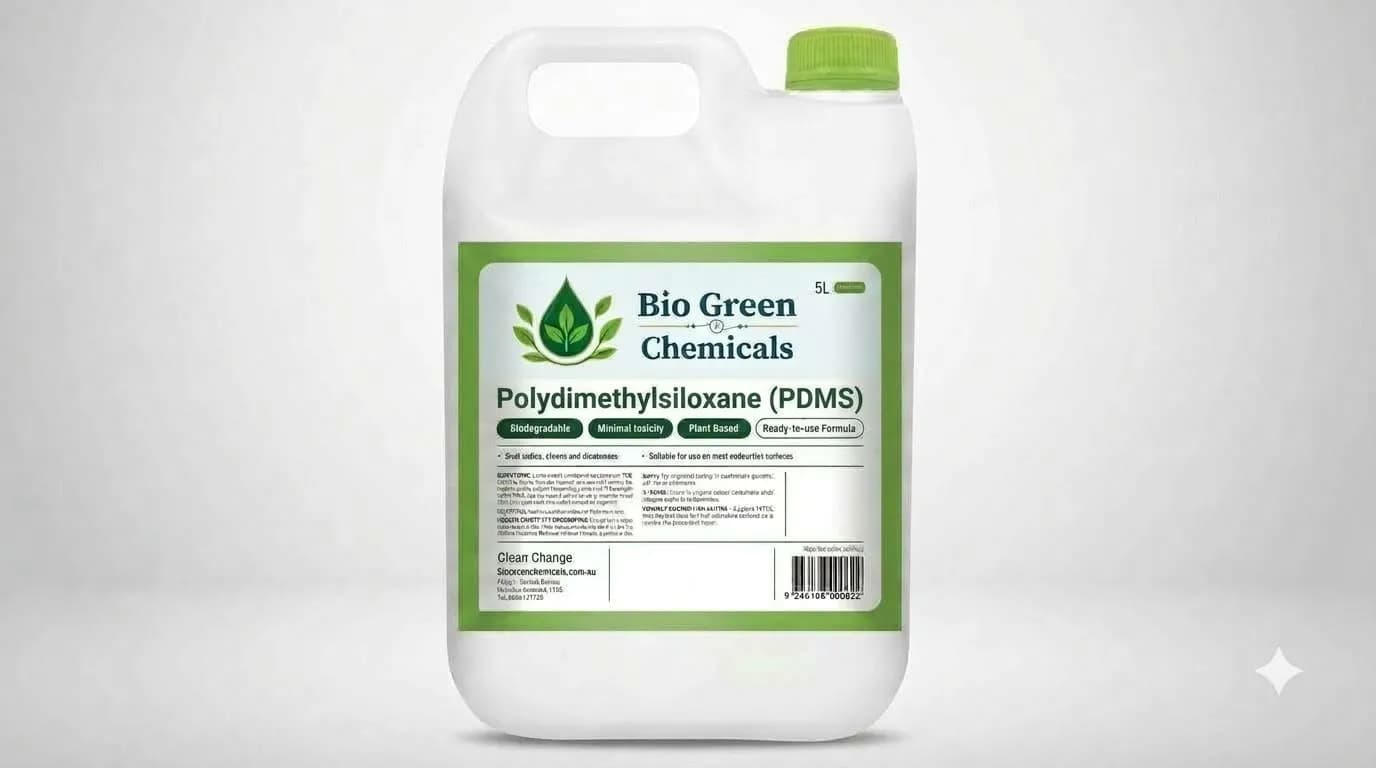
Polydimethylsiloxane (PDMS)
Polydimethylsiloxane (CAS 63148-62-9) is the basic silicone fluid, built on a silicon-oxygen backbone rather than a carbon one. That backbone is what gives it thermal stability and a viscosity that barely changes with temperature.
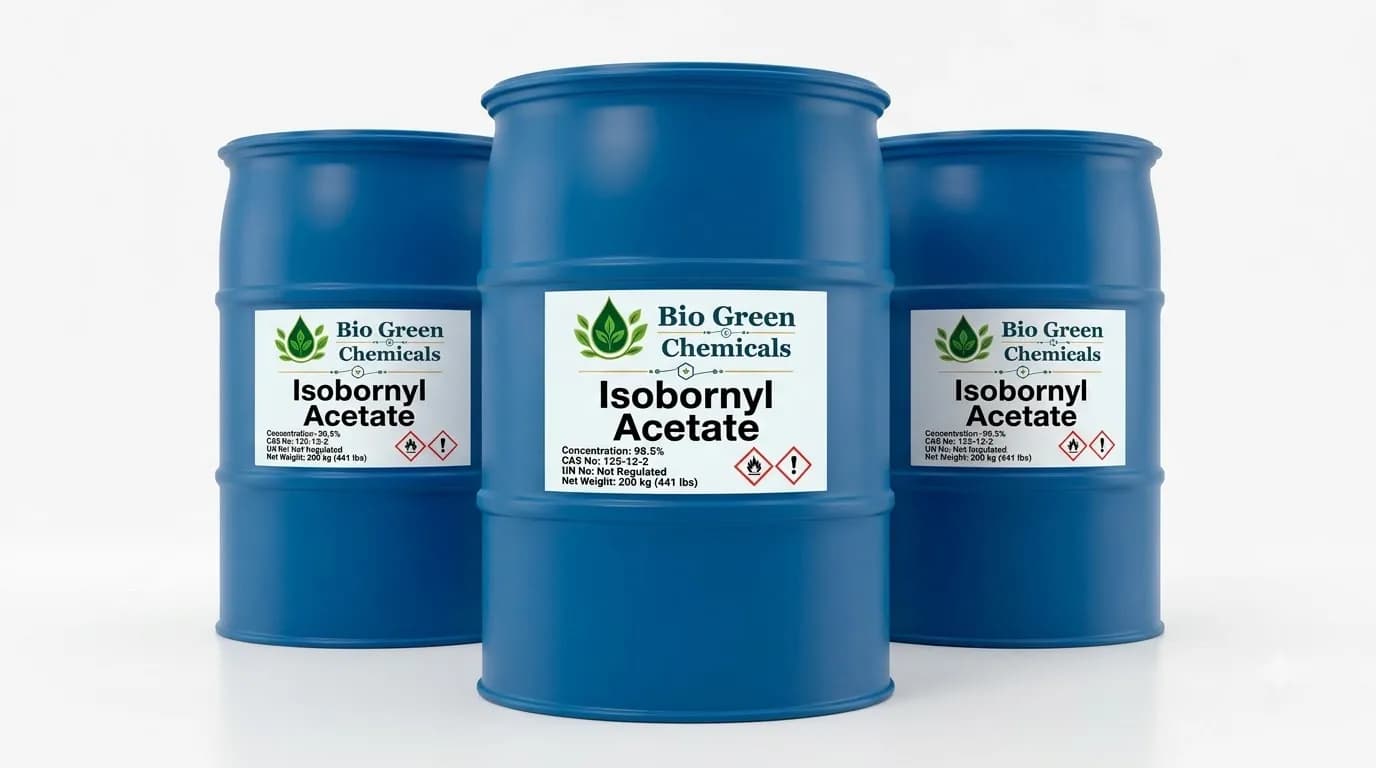
Isobornyl Acetate
Isobornyl acetate (CAS 125-12-2) is a terpene ester with a clean, fresh pine and camphor odour. It is the standard synthetic replacement for pine needle oil in functional fragrance, where cost and stability rule out the natural.
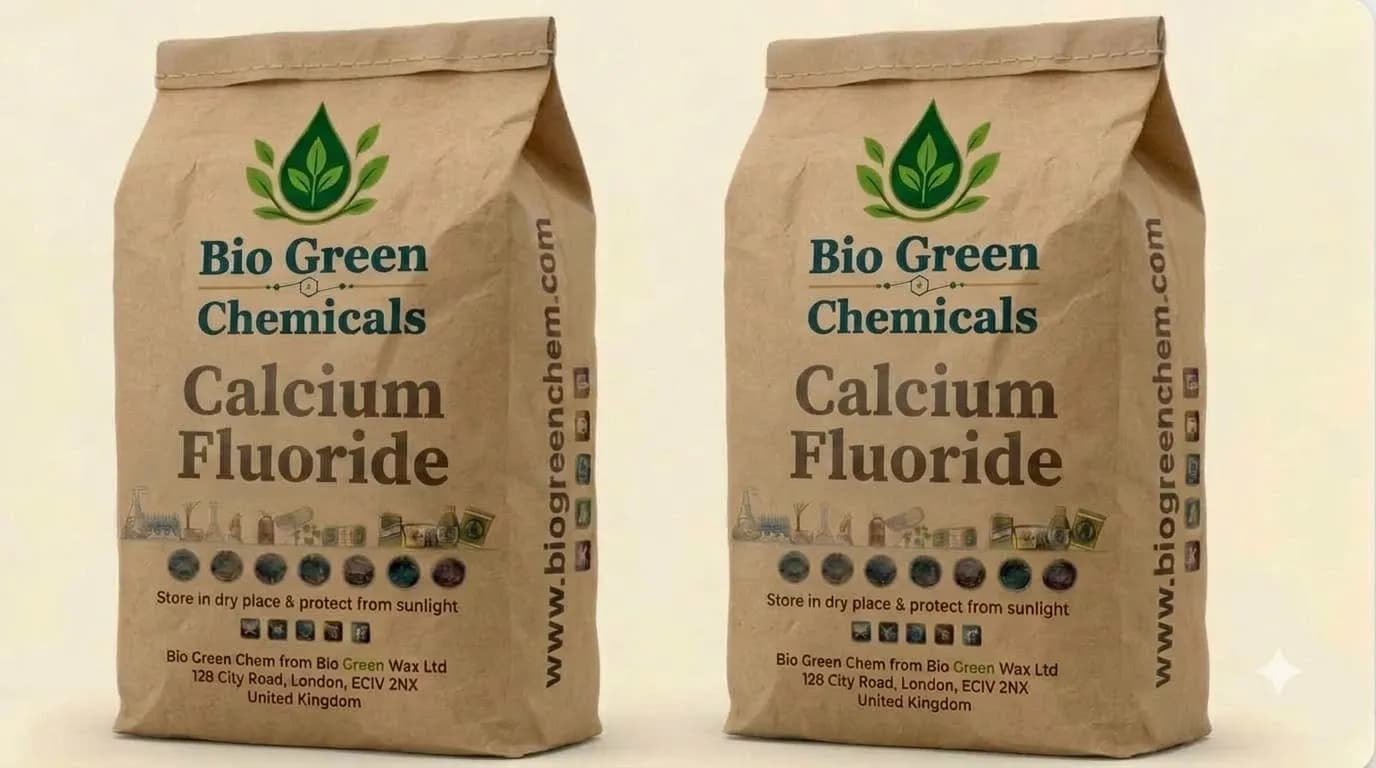
Calcium Fluoride
Calcium fluoride (CAS 7789-75-5) is the raw material behind essentially every fluorine compound in commerce. Acid grade fluorspar at over 97 percent CaF2 is converted to hydrogen fluoride, and everything fluorinated follows from that.
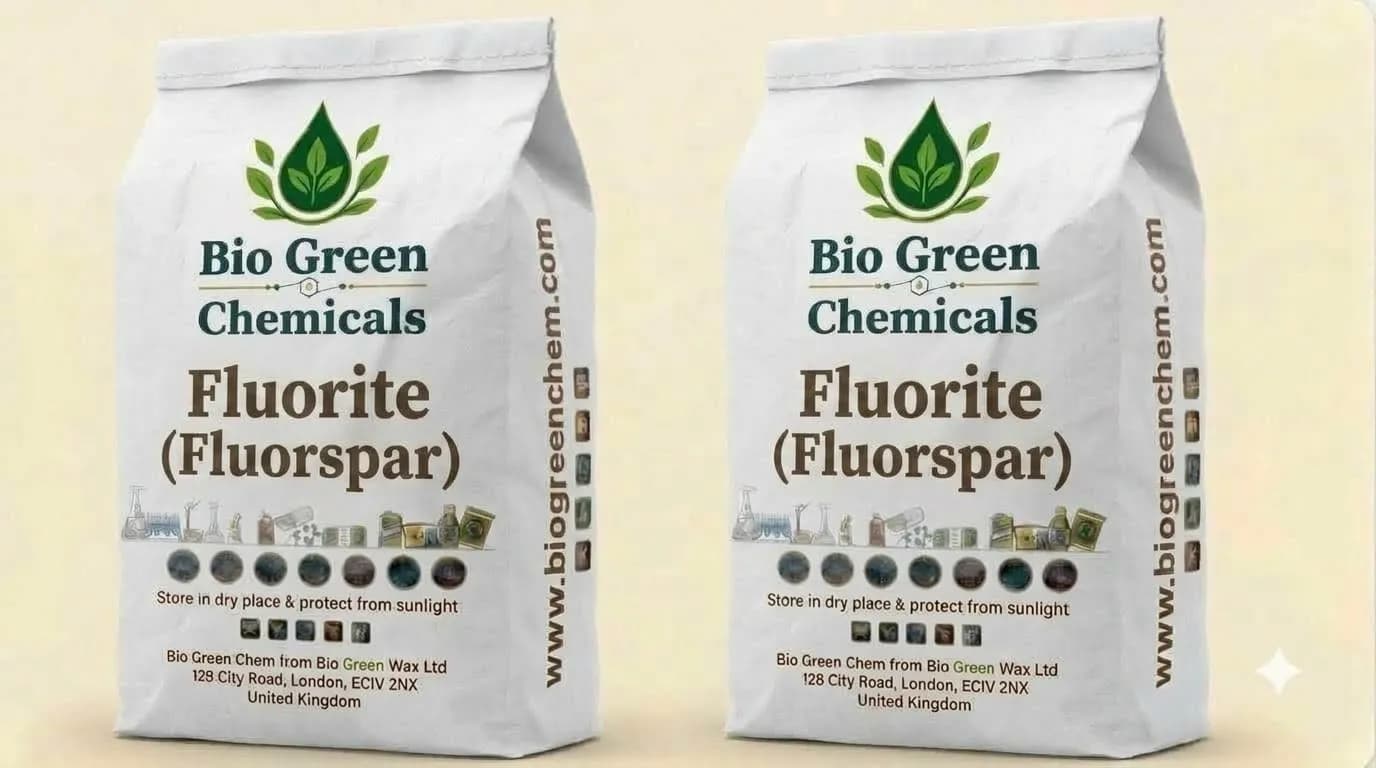
Fluorite (Fluorspar)
Fluorite, traded as fluorspar, is the mineral form of calcium fluoride. It is sold in two grades that are not interchangeable: acid grade above 97 percent for chemical conversion, metallurgical grade for steel fluxing.
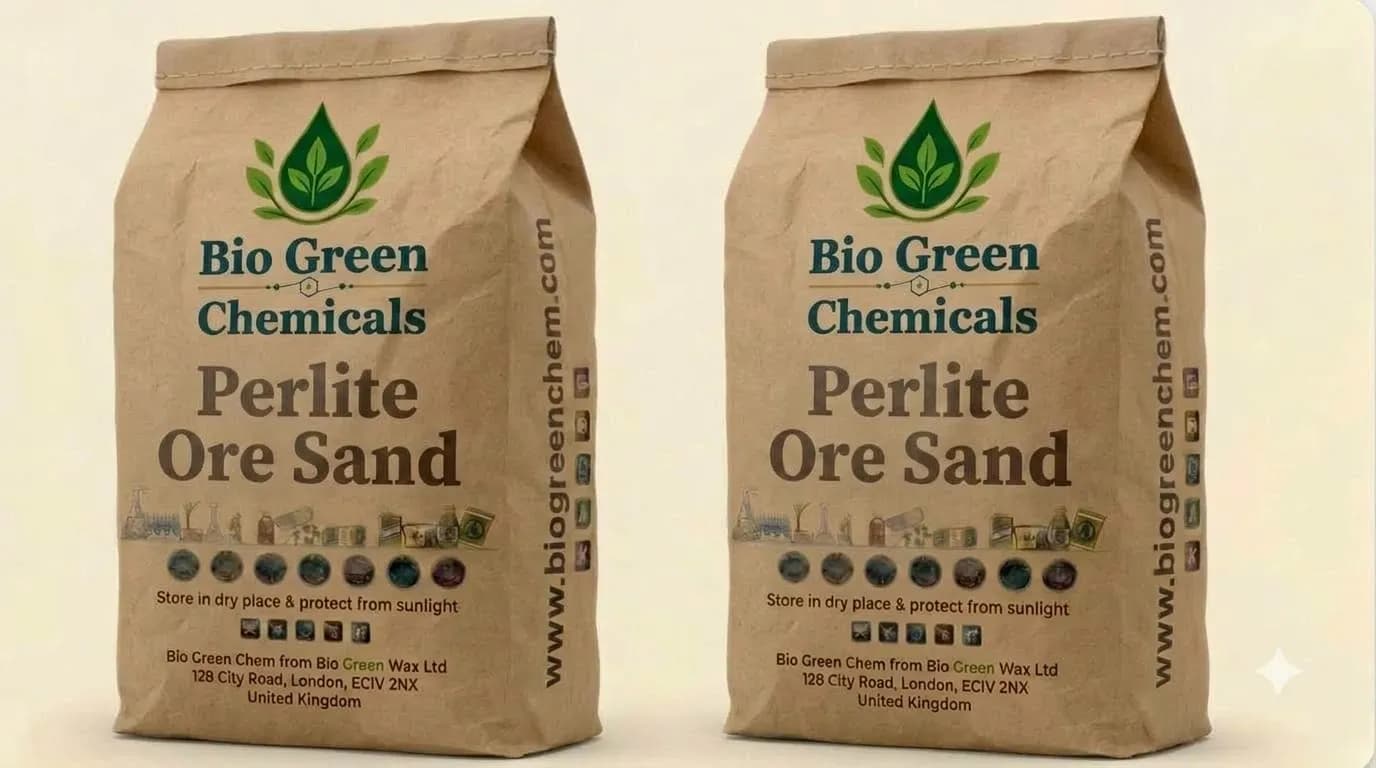
Perlite Ore Sand
Perlite ore is a volcanic glass containing bound water. Heated rapidly past 850 degrees Celsius that water flashes to steam and expands the softened glass up to twenty times, producing a lightweight cellular particle.
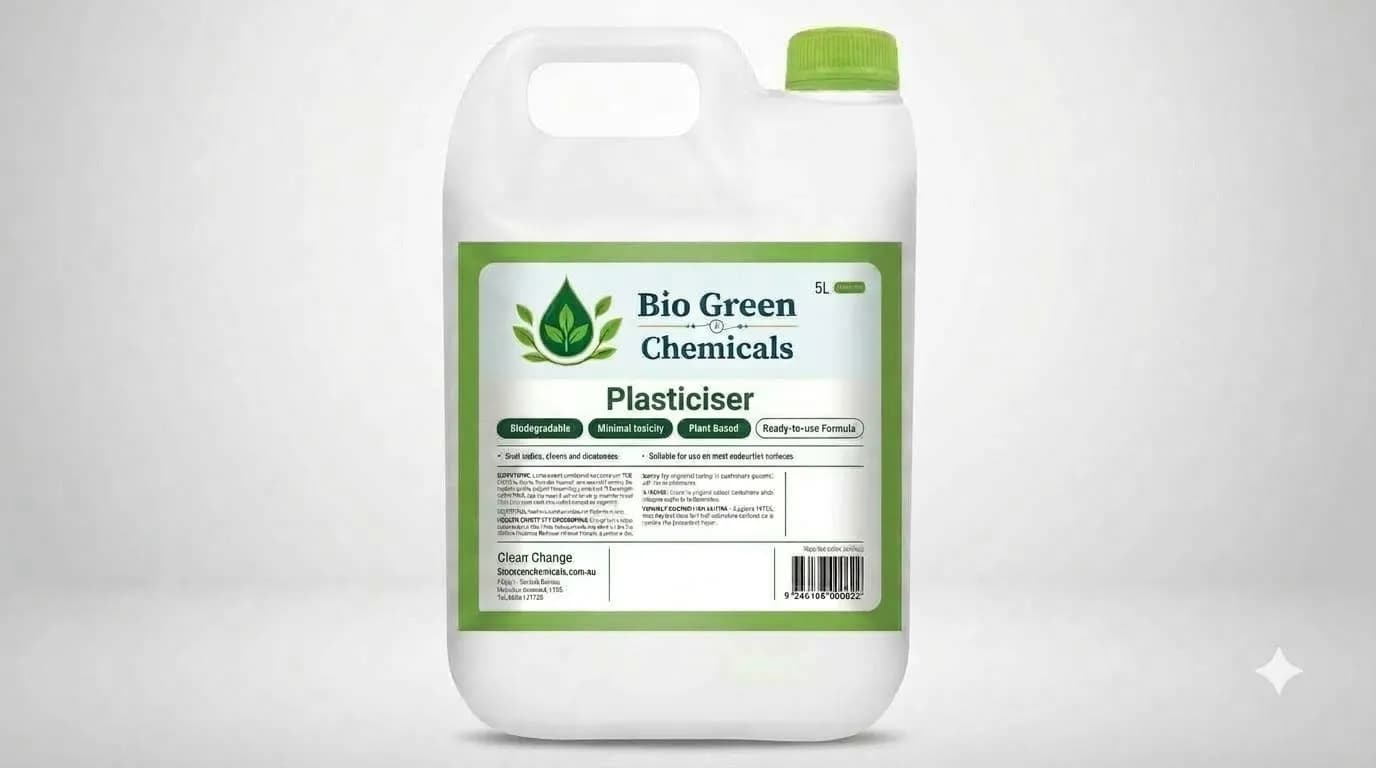
Plasticiser
Plasticiser is a class rather than a single product, covering phthalates, terephthalates, adipates, trimellitates and bio-based esters. Selection is a trade-off between efficiency, permanence, cold flexibility and regulatory status.
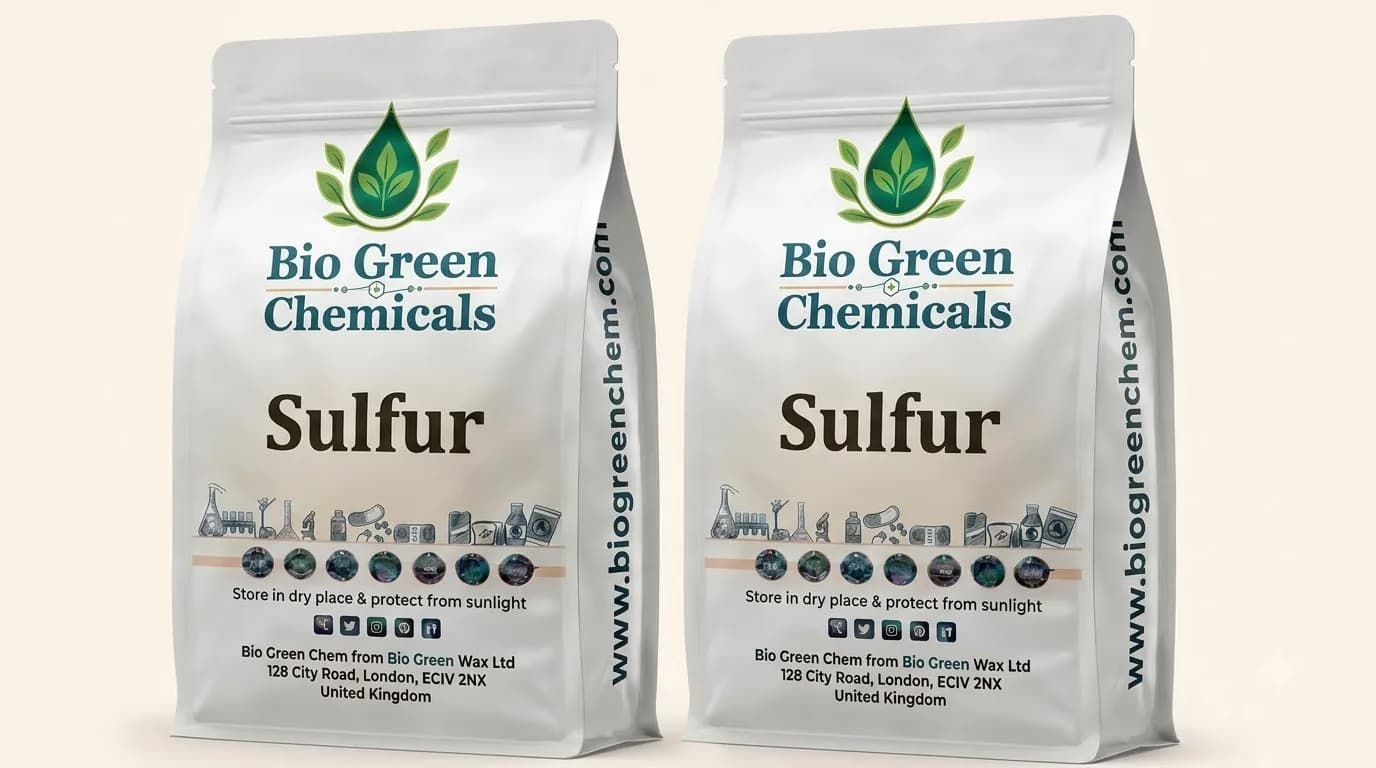
Sulfur
Sulfur (CAS 7704-34-9) is almost entirely a recovered by-product now, stripped from natural gas and crude oil to meet emissions law. Around 85 percent of world output goes straight into sulphuric acid.
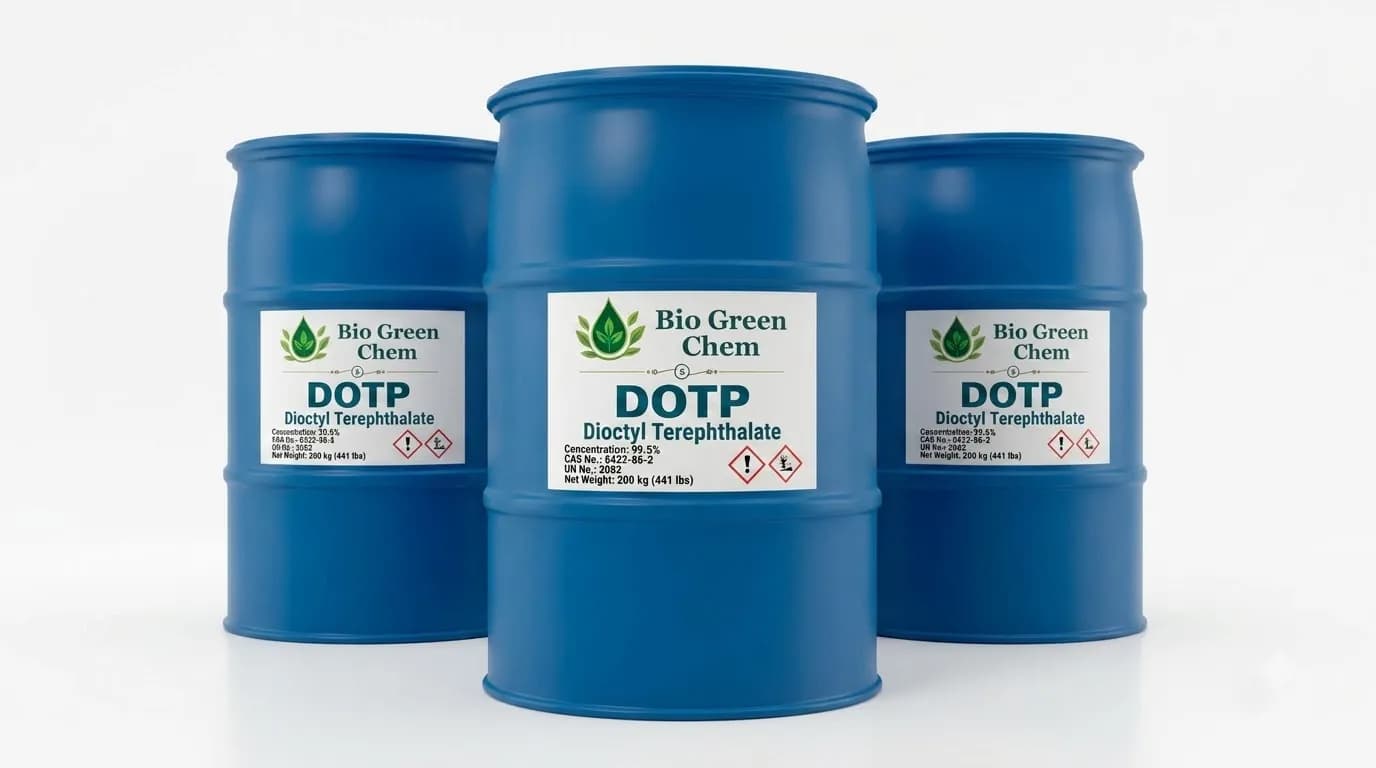
DOTP - Dioctyl Terephthalate
Dioctyl terephthalate, DOTP (CAS 6422-86-2), is the direct non-phthalate replacement for DOP. It is chemically an isomer, differing only in where the two ester groups sit on the benzene ring, but it is not a phthalate.
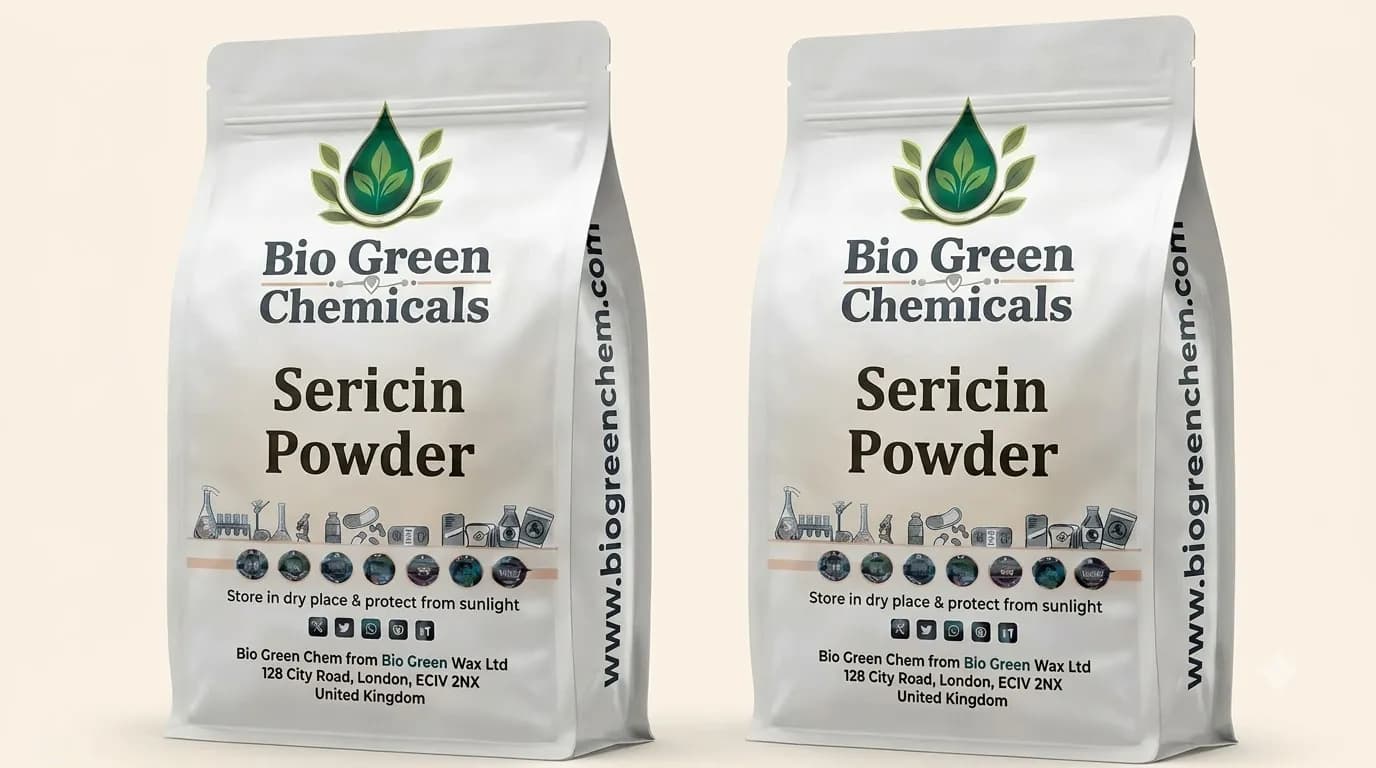
Sericin Powder
Sericin (CAS 60650-88-6) is the gum protein that binds silk fibres together in the cocoon, and it is removed during degumming. Recovering it turns what was an effluent stream into a hydrophilic cosmetic protein.
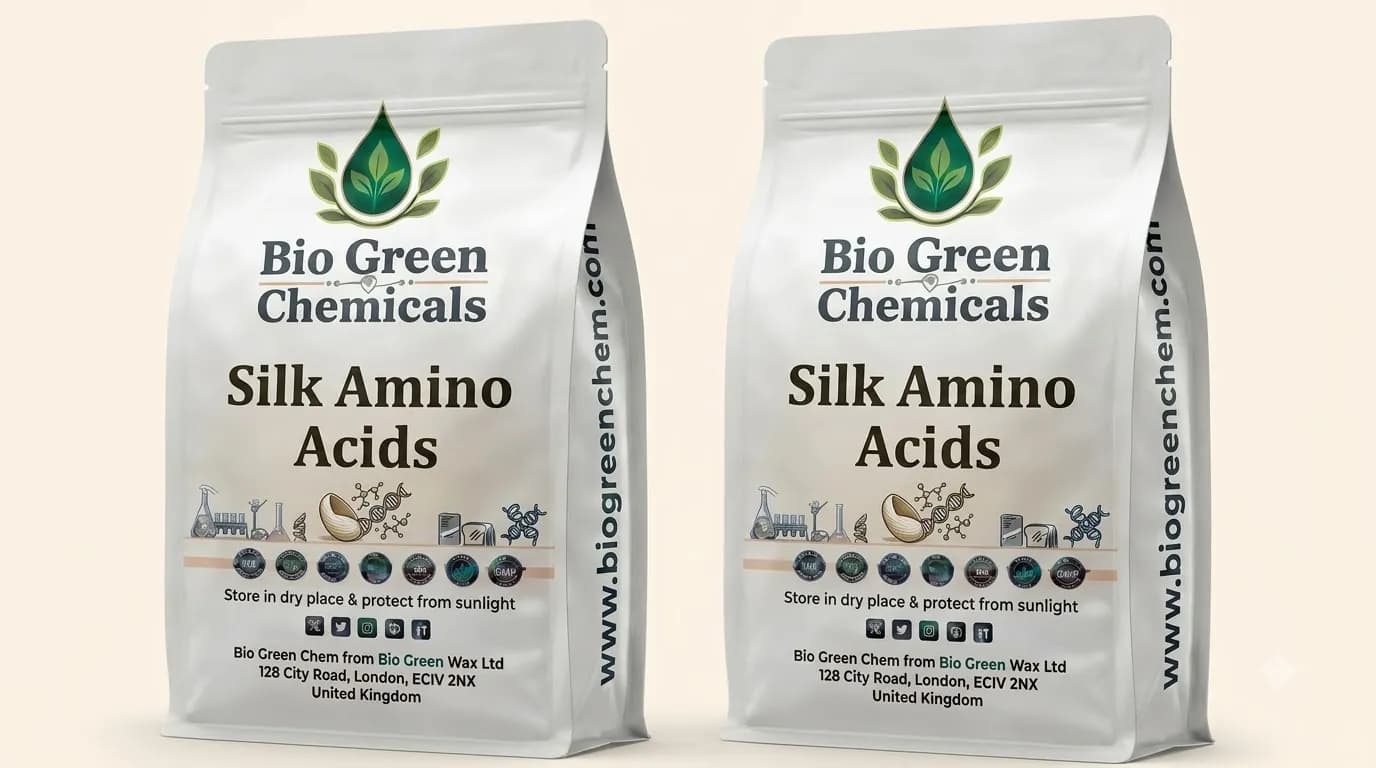
Silk Amino Acids
Silk amino acids (CAS 96690-41-4, INCI Hydrolyzed Silk) are silk protein broken down completely to free amino acids. At the lowest molecular weight of the silk range, they act as humectants rather than film formers.
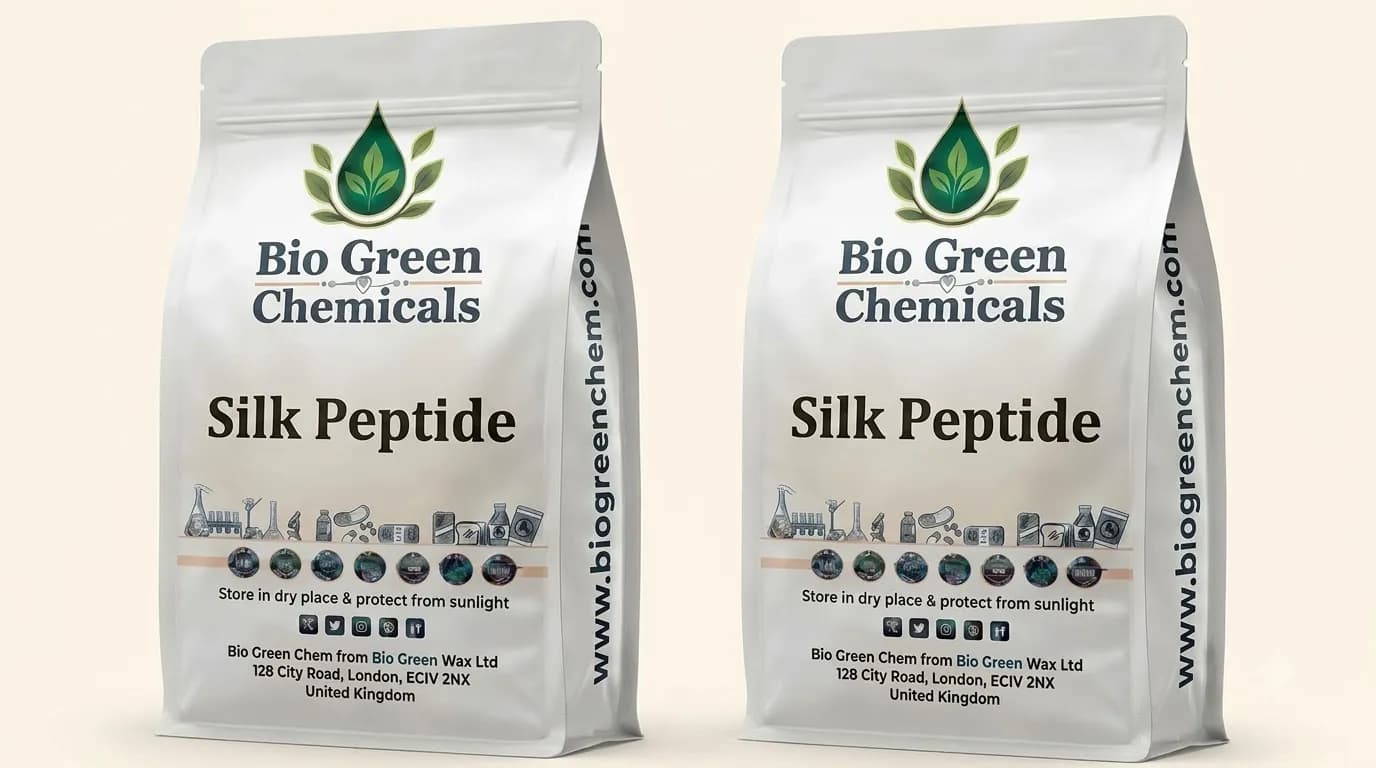
Silk Peptide
Silk peptide (CAS 96690-41-4, INCI Hydrolyzed Silk) is silk protein hydrolysed only partway, leaving short chains rather than free amino acids. That intermediate size is what allows it to form a film while staying soluble.
Silk Powder
Silk powder (INCI Silk Powder) is intact fibroin micronised rather than hydrolysed, so it is insoluble. It works optically and by touch, scattering light to soften the appearance of fine lines and giving a dry, silky slip.
Sodium Cocoyl Isethionate (SCI)
Sodium cocoyl isethionate (CAS 61789-32-0) is a crystalline anionic surfactant, which is what allows a cleansing bar to be pressed at all. Liquid surfactants cannot hold bar structure; SCI can.
Sodium Hyaluronate
Sodium hyaluronate (CAS 9067-32-7, INCI Sodium Hyaluronate) is the water-soluble sodium salt of hyaluronic acid, supplied as a white powder. Molecular weight, not purity, is what separates one grade from another.