Our Chemicals
Browse our range of industrial and specialty chemicals
Showing 23 products
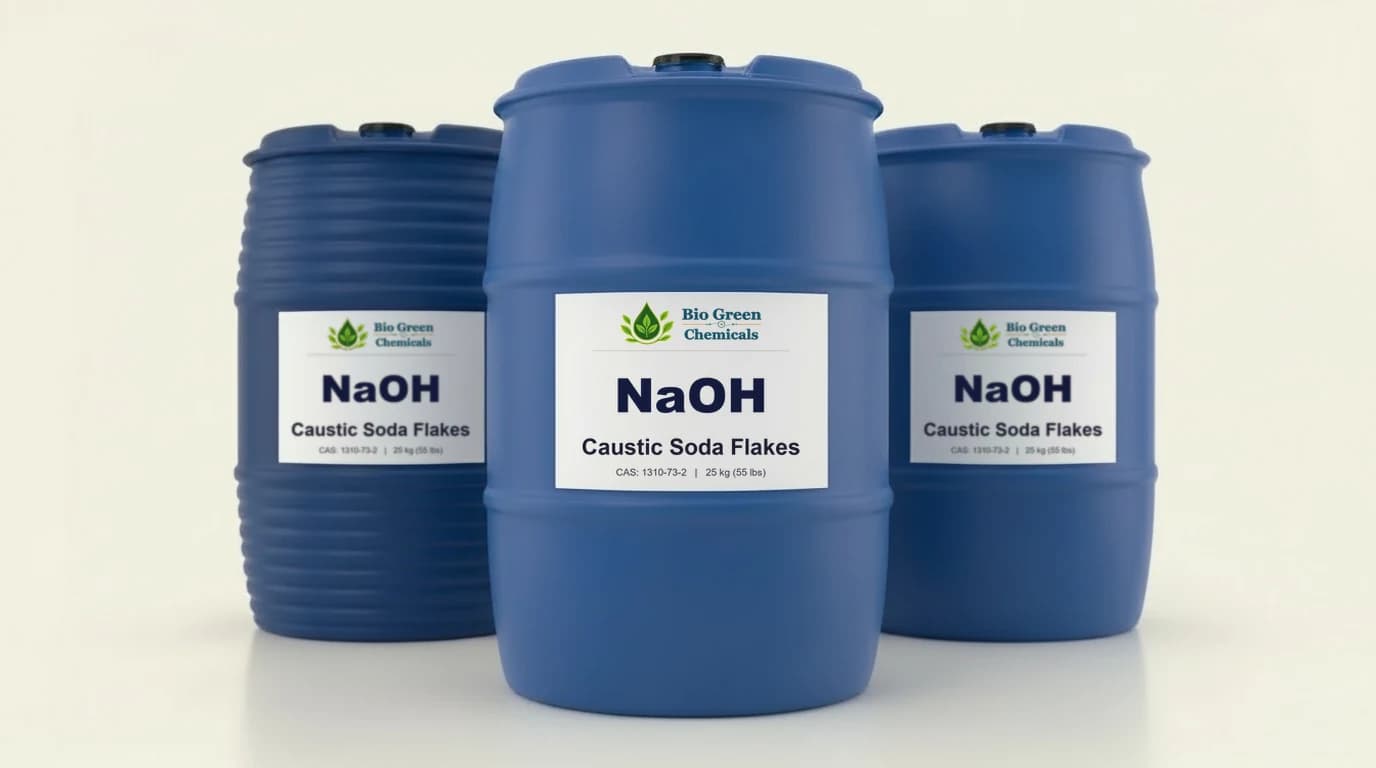
Caustic Soda Flakes
Caustic soda flakes (CAS 1310-73-2) are sodium hydroxide in thin flake form at 99 percent minimum. The large surface area dissolves fast, but it also makes the flakes dusty and quick to absorb atmospheric moisture.
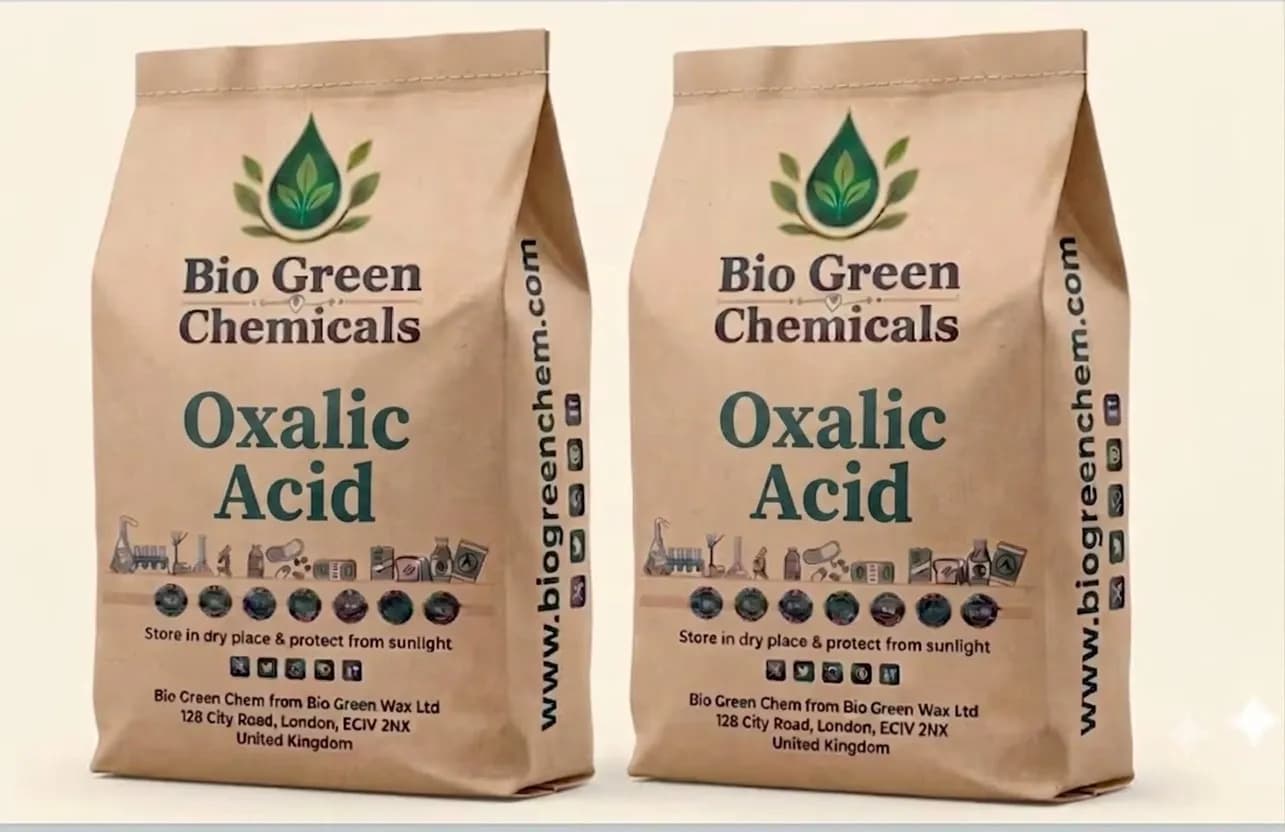
Oxalic Acid
Oxalic acid (CAS 144-62-7) is the strongest common organic acid and a powerful reducing agent. It removes iron stains by chelating iron into a soluble complex, which is why it bleaches wood and cleans rust marks.
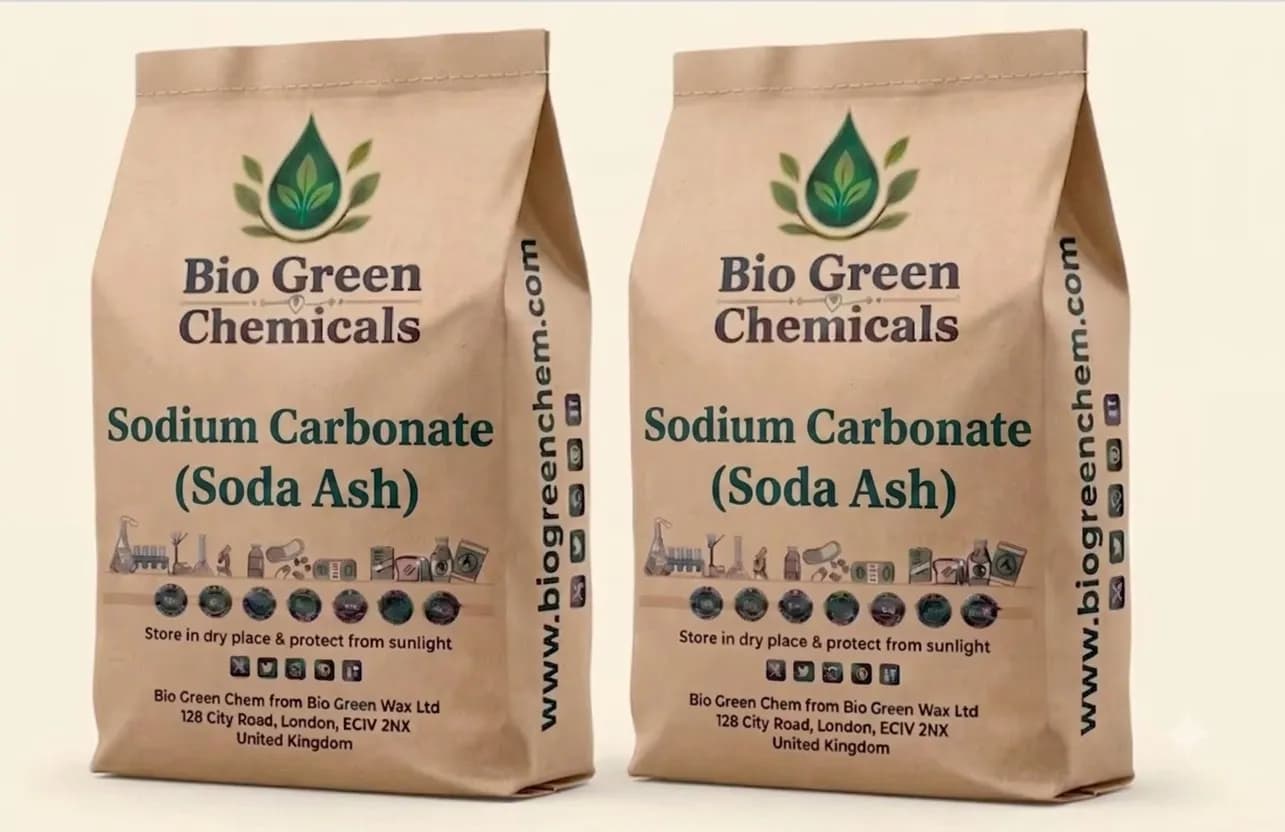
Sodium Carbonate (Soda Ash)
Sodium carbonate (CAS 497-19-8), soda ash, is consumed in greater tonnage by glass manufacture than by every other use combined. It lowers the melting point of silica from about 1,700 to nearer 1,000 degrees Celsius.
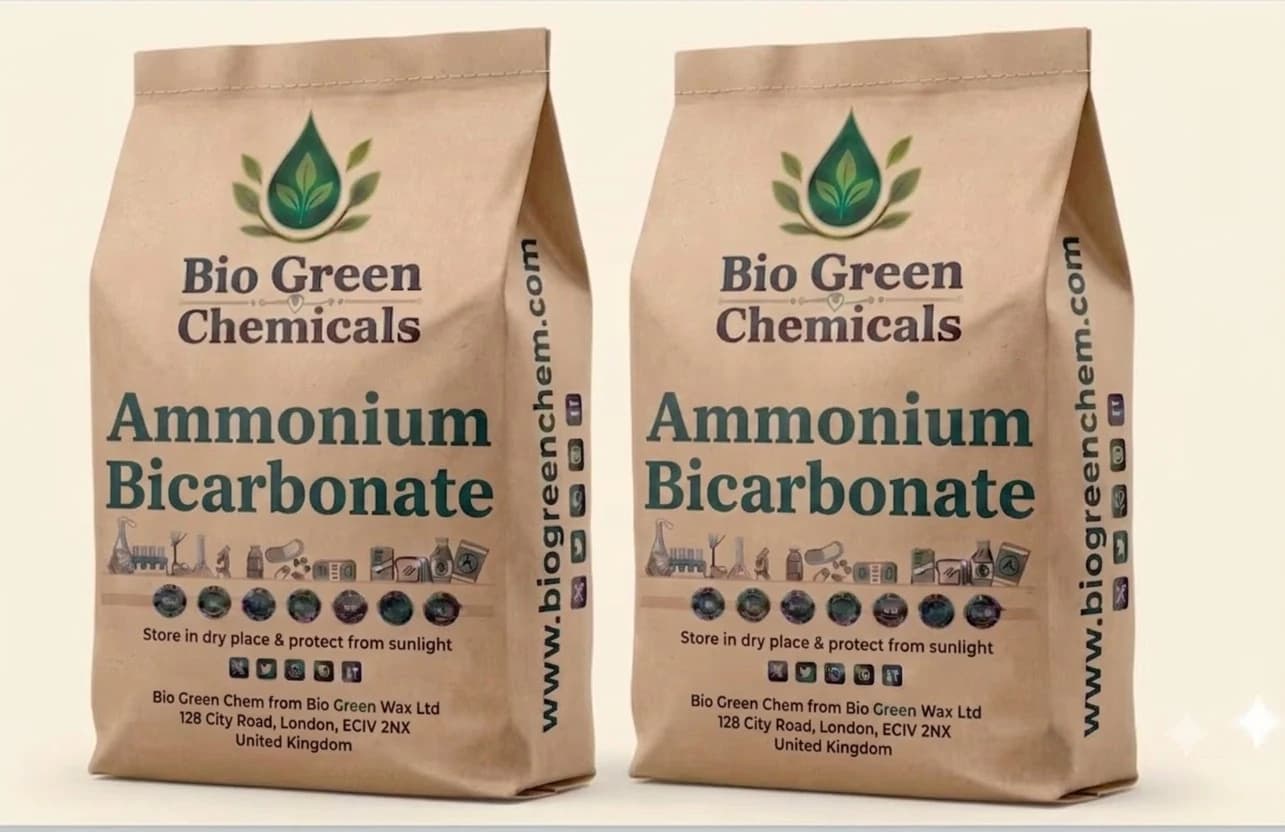
Ammonium Bicarbonate
Ammonium bicarbonate (CAS 1066-33-7) decomposes completely to gas at modest temperature, leaving no solid residue at all. That makes it a chemical blowing agent for foamed rubber, plastics and ceramics.
Sodium Dodecyl Sulfate (SLS)
Sodium dodecyl sulfate (CAS 151-21-3) is the standard laboratory anionic detergent as well as an industrial surfactant. In SDS-PAGE it denatures proteins and coats them with uniform negative charge so they separate purely by size.
Sodium Bicarbonate
Sodium bicarbonate (CAS 144-55-8) is used industrially as a dry sorbent and a mild abrasive. Injected into hot flue gas it decomposes into a highly porous soda that captures sulphur dioxide and hydrogen chloride.
Sodium Metasilicate
Sodium metasilicate is a strongly alkaline silicate that protects aluminium while cleaning it. The silicate deposits a thin film on the metal surface, which is why alkaline aluminium cleaners contain it and plain caustic cannot be used.
Sulfamic Acid
Sulfamic acid (CAS 5329-14-6) is a solid, non-volatile strong acid used for descaling. Unlike hydrochloric acid it contains no chloride, so it can be used on stainless steel without risking chloride stress corrosion cracking.
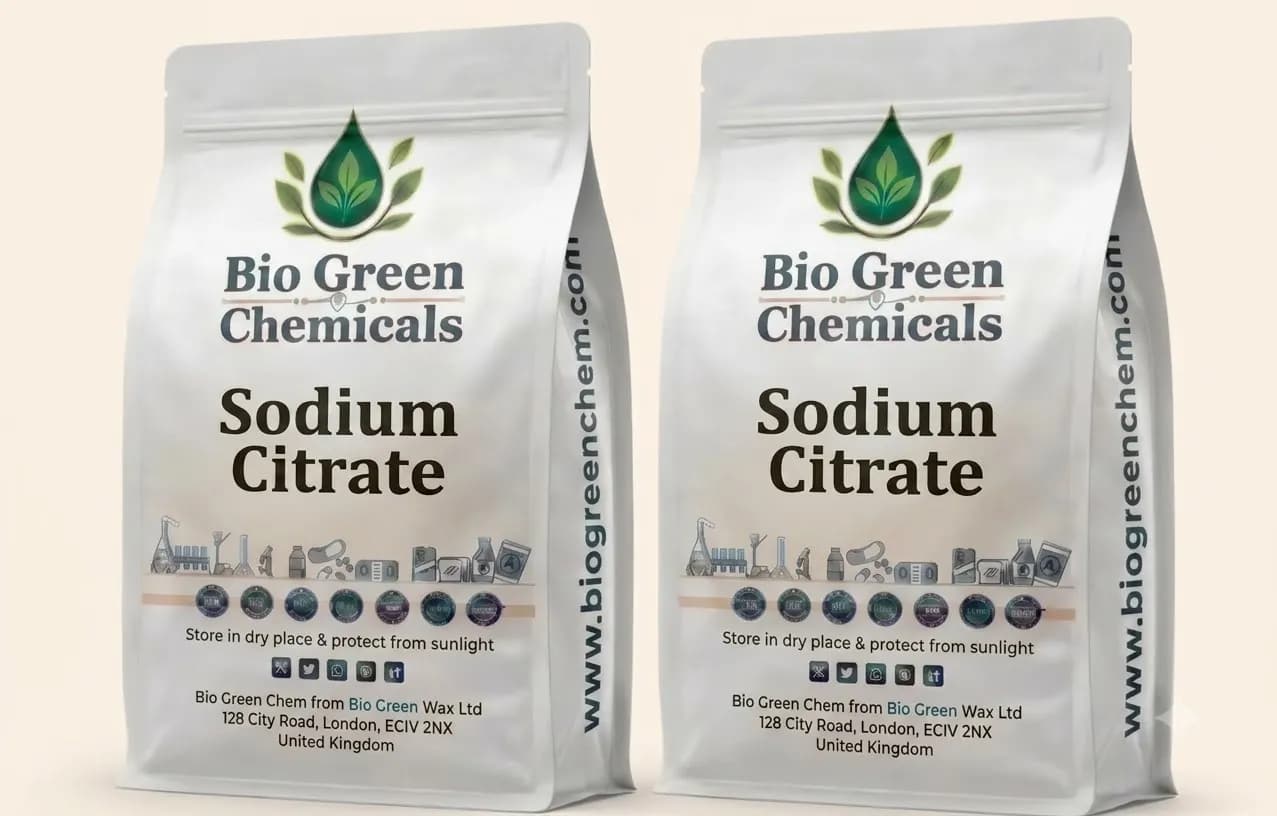
Sodium Citrate
Sodium citrate (CAS 68-04-2) is the neutral salt of citric acid, used industrially as a sequestrant and buffer where free acid would attack the substrate. It chelates without dropping pH.
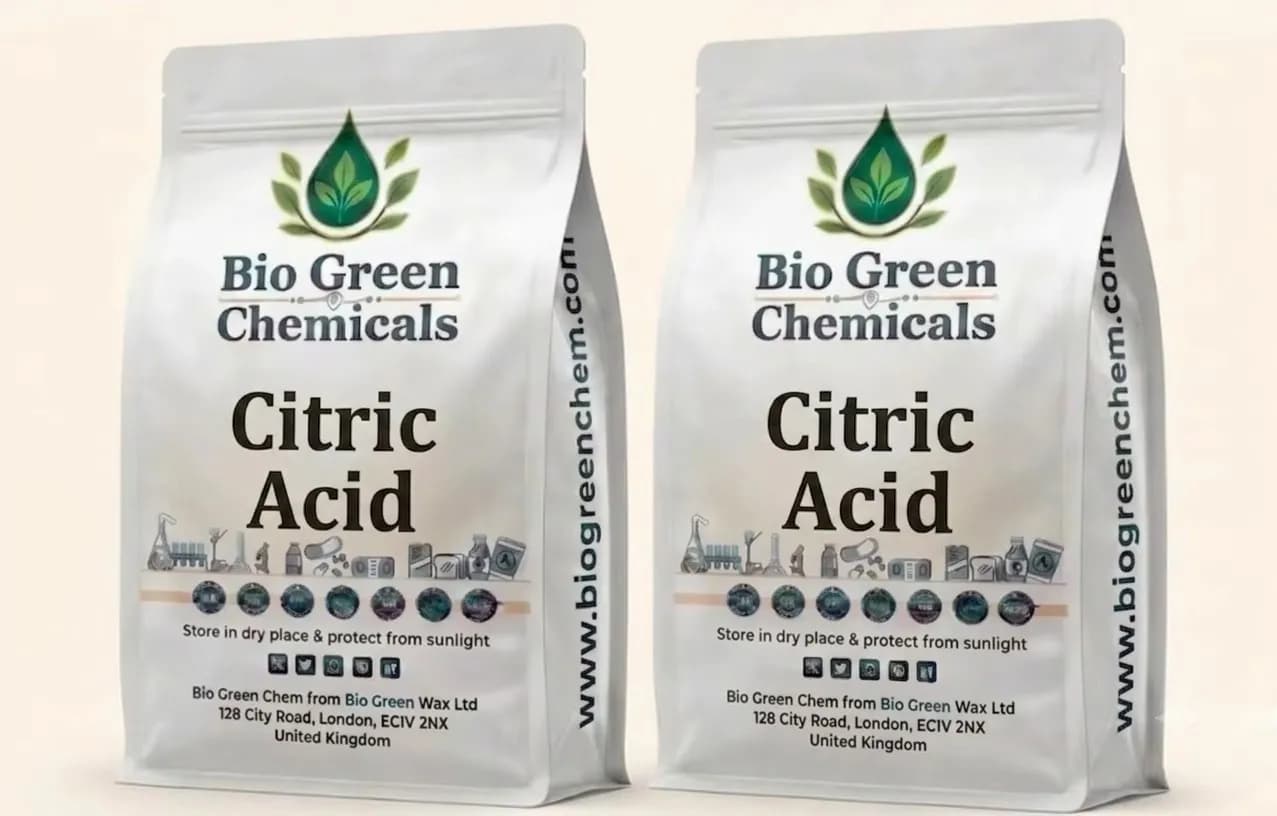
Citric Acid
Citric acid (CAS 77-92-9) is used industrially as a chelating agent rather than as an acidulant. It binds calcium, iron and copper into soluble complexes, which is the basis of its use in descaling and metal passivation.
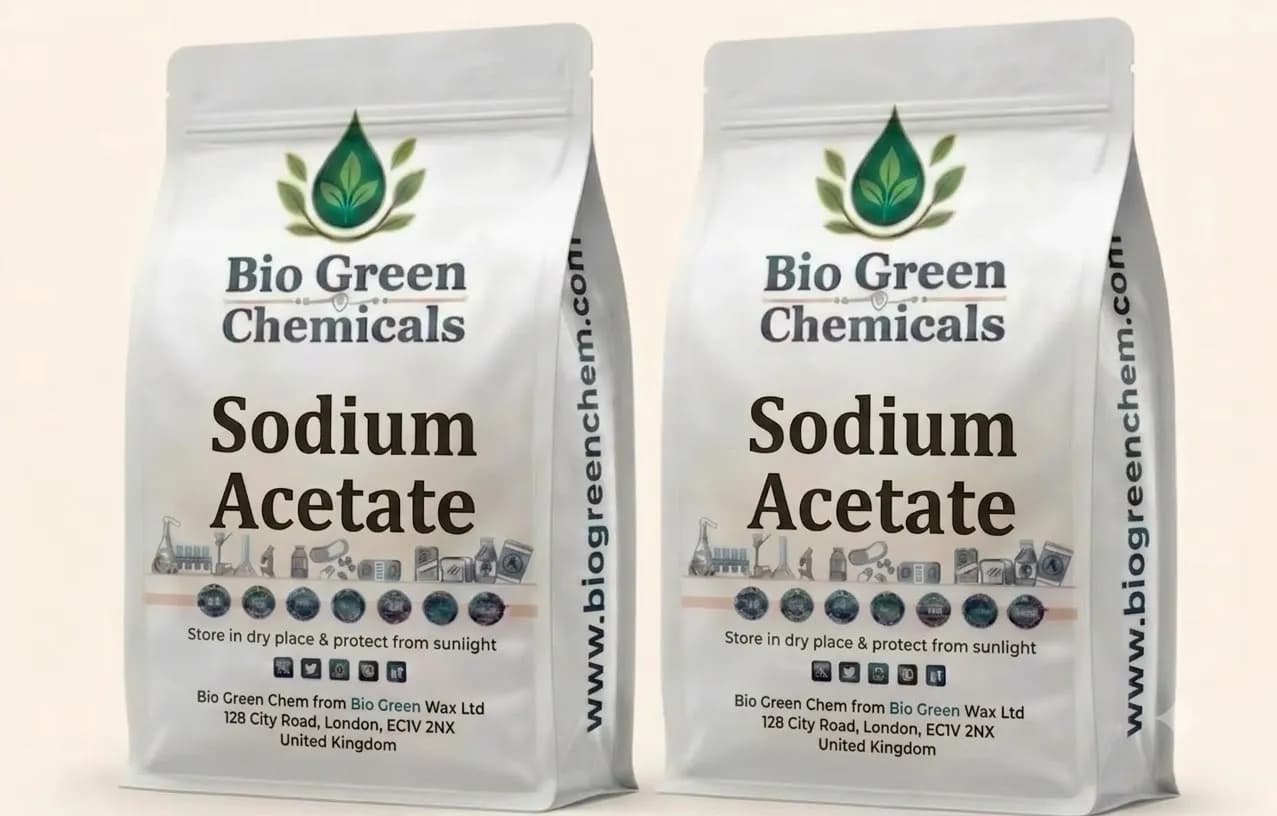
Sodium Acetate
Sodium acetate (CAS 127-09-3) is the salt behind reusable heat pads. A supersaturated solution stays liquid far below its freezing point, then crystallises on a trigger and releases the stored heat.
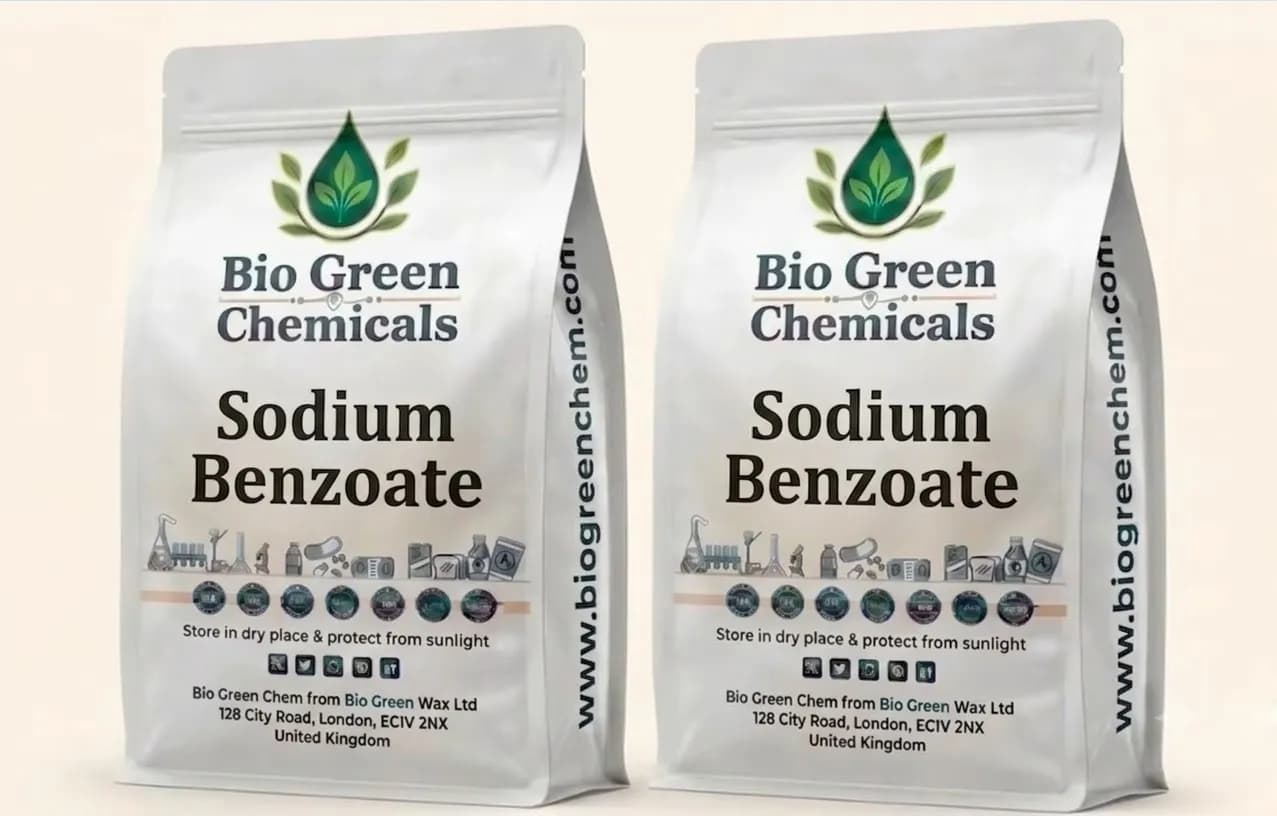
Sodium Benzoate
Sodium benzoate (CAS 532-32-1) is a vapour-phase and contact corrosion inhibitor for ferrous metals. In engine coolants and hydraulic fluids it passivates steel surfaces at low dose without the toxicity of chromate inhibitors.
Benzoic Acid
Benzoic acid (CAS 65-85-0) is used industrially as a chemical intermediate and corrosion inhibitor rather than as a preservative. It is the feedstock for phenol, caprolactam and benzoate plasticisers.
Potassium Benzoate
Potassium benzoate (CAS 582-25-2) delivers the same benzoate chemistry as the sodium salt without contributing sodium. It is specified where sodium would raise conductivity or interfere with the system being protected.
Potassium Carbonate
Potassium carbonate (CAS 584-08-7), potash, is the reagent behind the hot potassium carbonate process for removing carbon dioxide from industrial gas streams at high pressure and temperature.
Sodium Propionate
Sodium propionate (CAS 137-40-6) is the more soluble propionate salt, which suits liquid dosing and spray application. It is used where a calcium contribution would be unwanted or would disturb a formulation.

Ammonium Propionate
Ammonium propionate (CAS 17496-08-1) is supplied as a solution rather than a powder because it is deliquescent. It preserves high-moisture grain while contributing non-protein nitrogen that rumen microbes can use.
Calcium Acetate
Calcium acetate (CAS 62-54-4) is used industrially as a chloride-free concrete set accelerator, a phosphate binder, and the agent that gels alcohol into the solid fuel burned in chafing dish heaters.
Calcium Propionate
Calcium propionate (CAS 4075-81-4) is used industrially as a mould inhibitor in animal feed and stored grain. It also acts as a mild set retarder and corrosion inhibitor in concrete formulations.
Potassium Acetate
Potassium acetate (CAS 127-08-2) is the standard runway and aircraft de-icer. Unlike chloride de-icers it does not corrode aluminium airframes or attack the carbon brake assemblies that chlorides destroy.
Zinc Acetate
Zinc acetate (CAS 557-34-6) is a soluble zinc salt used as a crosslinker, mordant and wood preservative. Its solubility in both water and organic solvents sets it apart from the oxide and carbonate.
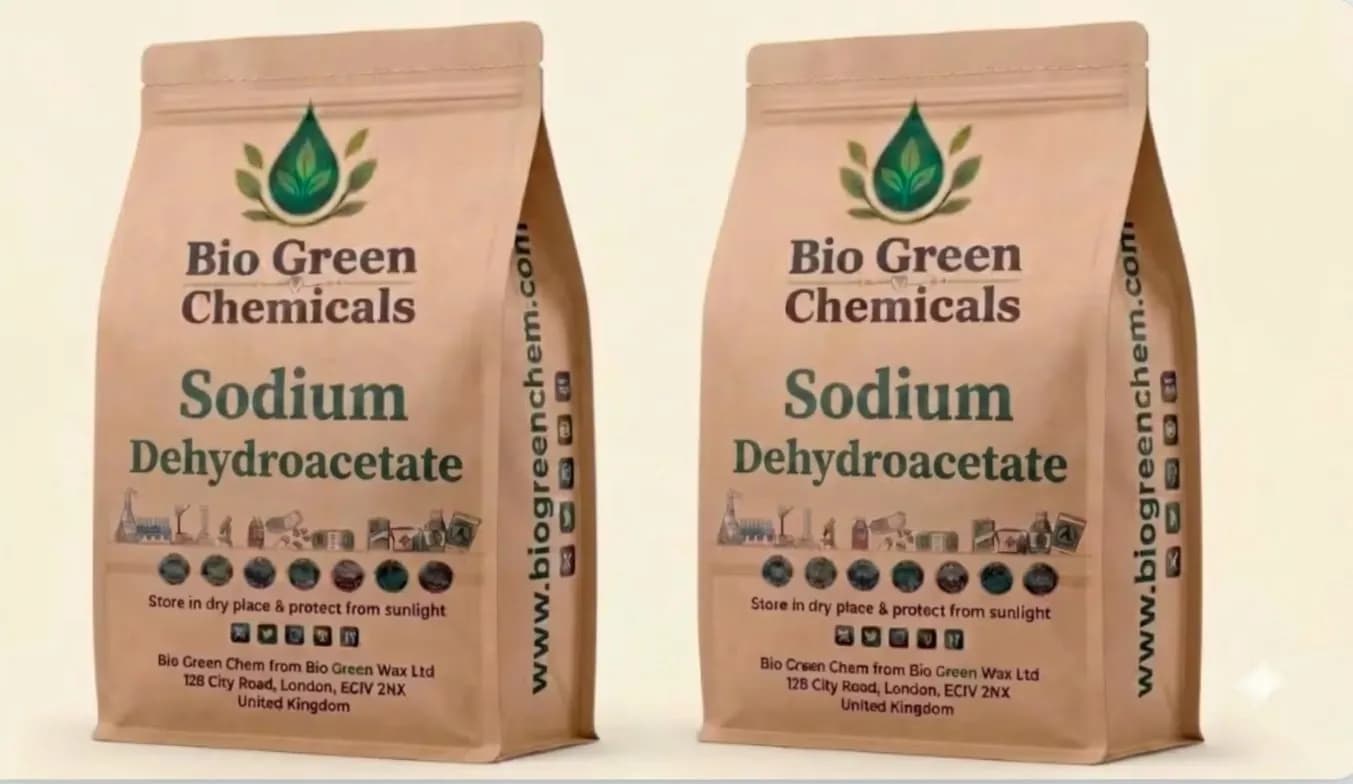
Sodium Dehydroacetate
Sodium dehydroacetate (CAS 4418-26-2, INCI Sodium Dehydroacetate) is a broad-spectrum cosmetic preservative that stays active at near-neutral pH, where benzoate and sorbate have largely stopped working.
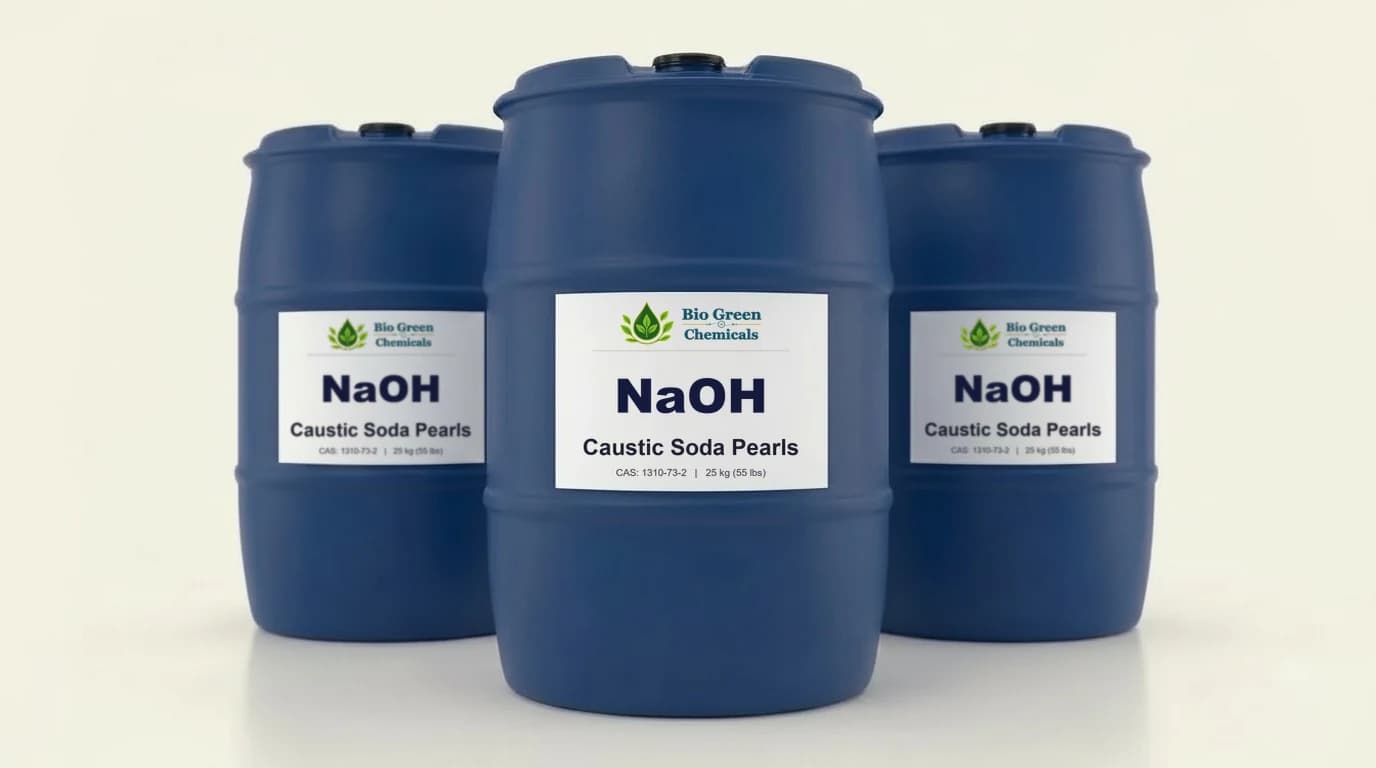
Caustic Soda Pearls
Caustic soda pearls (CAS 1310-73-2) are sodium hydroxide in small spherical beads at 99 percent minimum. The round form flows freely, generates far less dust than flakes and cakes more slowly on storage.