Our Chemicals
Browse our range of industrial and specialty chemicals
Showing 11 products
MPG - Mono Propylene Glycol
Mono propylene glycol, MPG (CAS 57-55-6, EINECS 200-338-0), does much the same job as MEG but without the toxicity. That single difference is why it, not MEG, is used anywhere near food, people or animals.
DPG - Dipropylene Glycol
Dipropylene glycol, DPG (CAS 25265-71-8, EINECS 246-770-3), is the standard diluent of the fragrance industry. It is almost odourless, low in toxicity and dissolves both fragrance oils and water-soluble materials.
DEG - Diethylene Glycol
Diethylene glycol, DEG (CAS 111-46-6), is a hygroscopic solvent and polyester intermediate. It is acutely nephrotoxic, and its historical substitution for glycerine and propylene glycol in medicines has caused repeated mass poisonings.
Sorbitol
Sorbitol liquid (CAS 50-70-4) is a 70 percent solution of the six-carbon polyol. Industrially it is the starting material for vitamin C manufacture and a polyol for polyurethane, as much as a humectant.
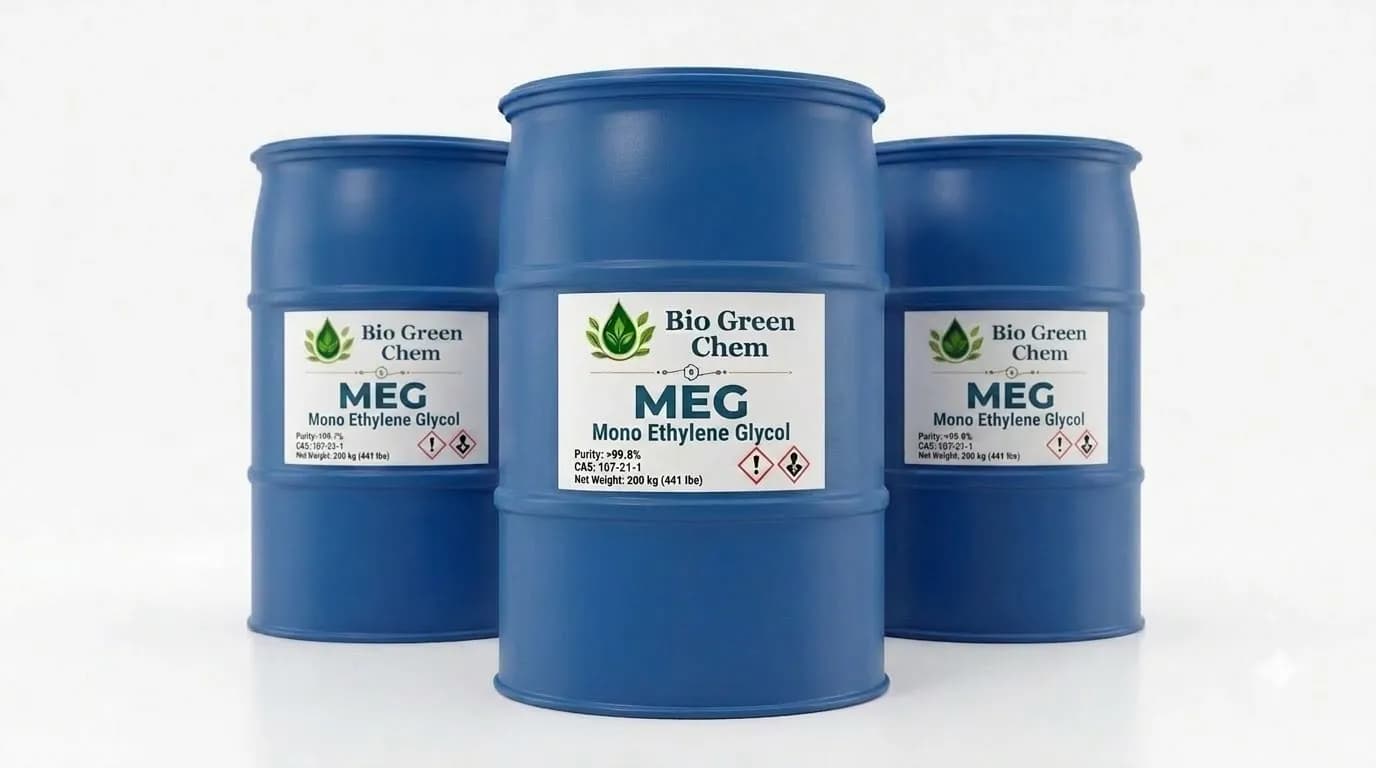
MEG - Mono Ethylene Glycol
Mono ethylene glycol, MEG (CAS 107-21-1), is consumed in far greater volume for polyester manufacture than for antifreeze. It is the diol half of PET, the polymer in every drinks bottle and polyester fibre.
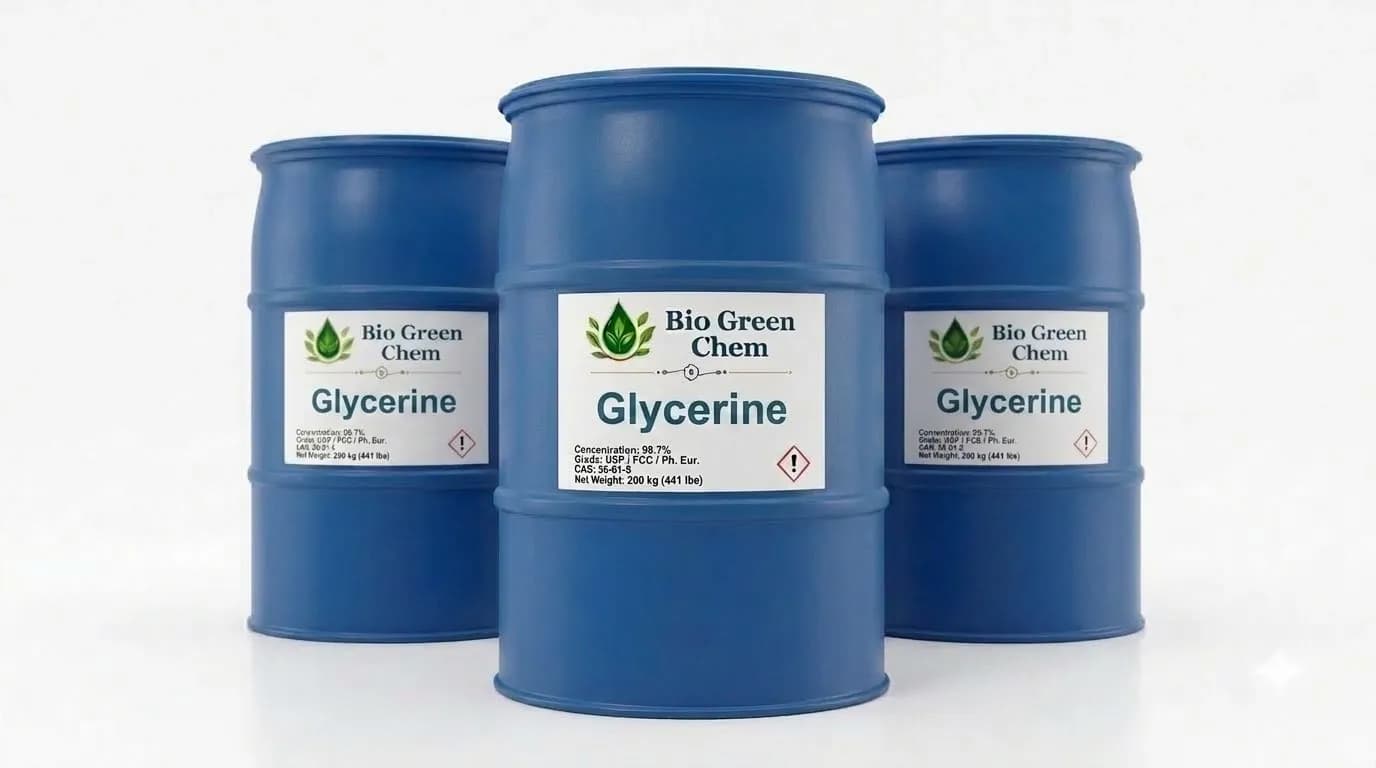
Glycerine
Glycerine (CAS 56-81-5) is a trihydric alcohol recovered as the co-product of soap making and biodiesel. Industrially it is a polyol building block for alkyd and polyurethane resins as much as a humectant.
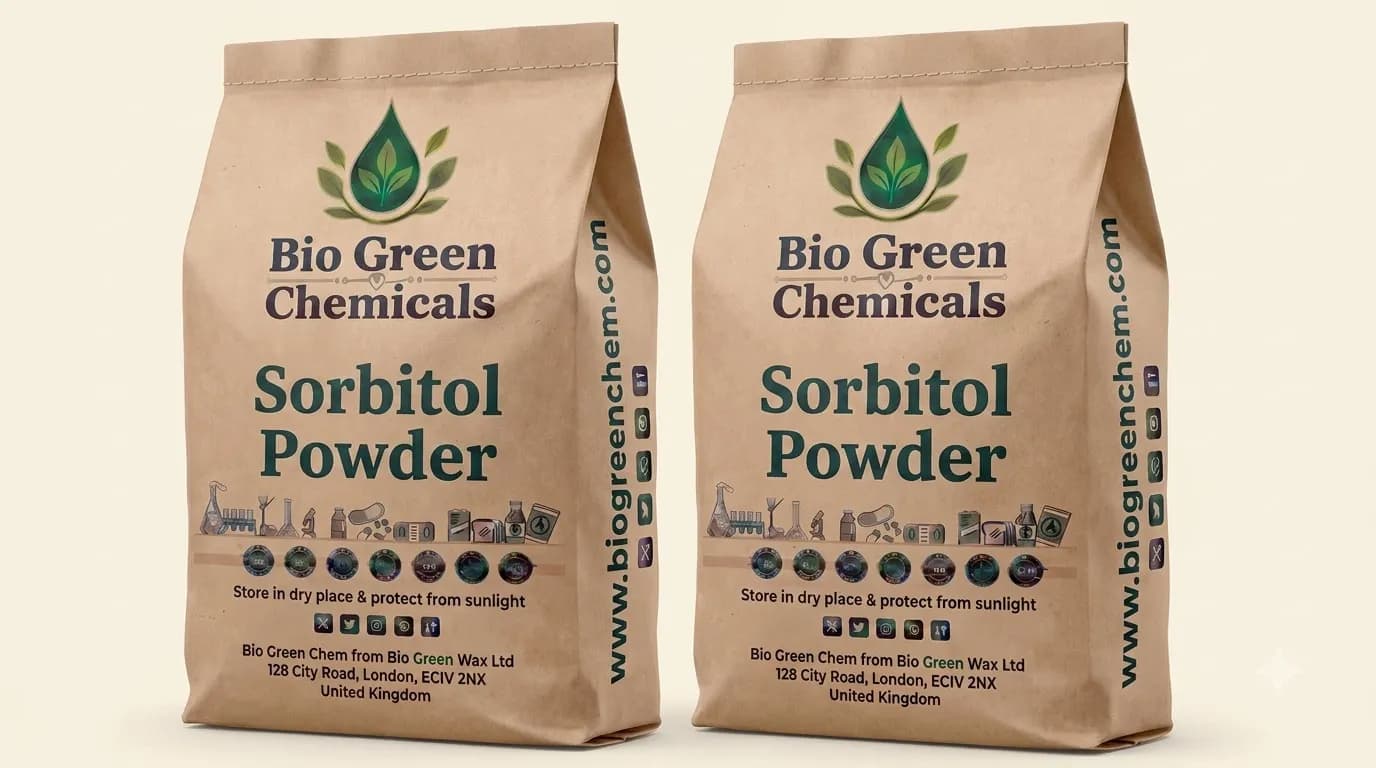
Sorbitol Powder
Sorbitol powder (CAS 50-70-4) is the crystalline form of the polyol, used where a dry, free-flowing, directly compressible solid is required rather than a syrup. Crystallising it also makes it far less hygroscopic.
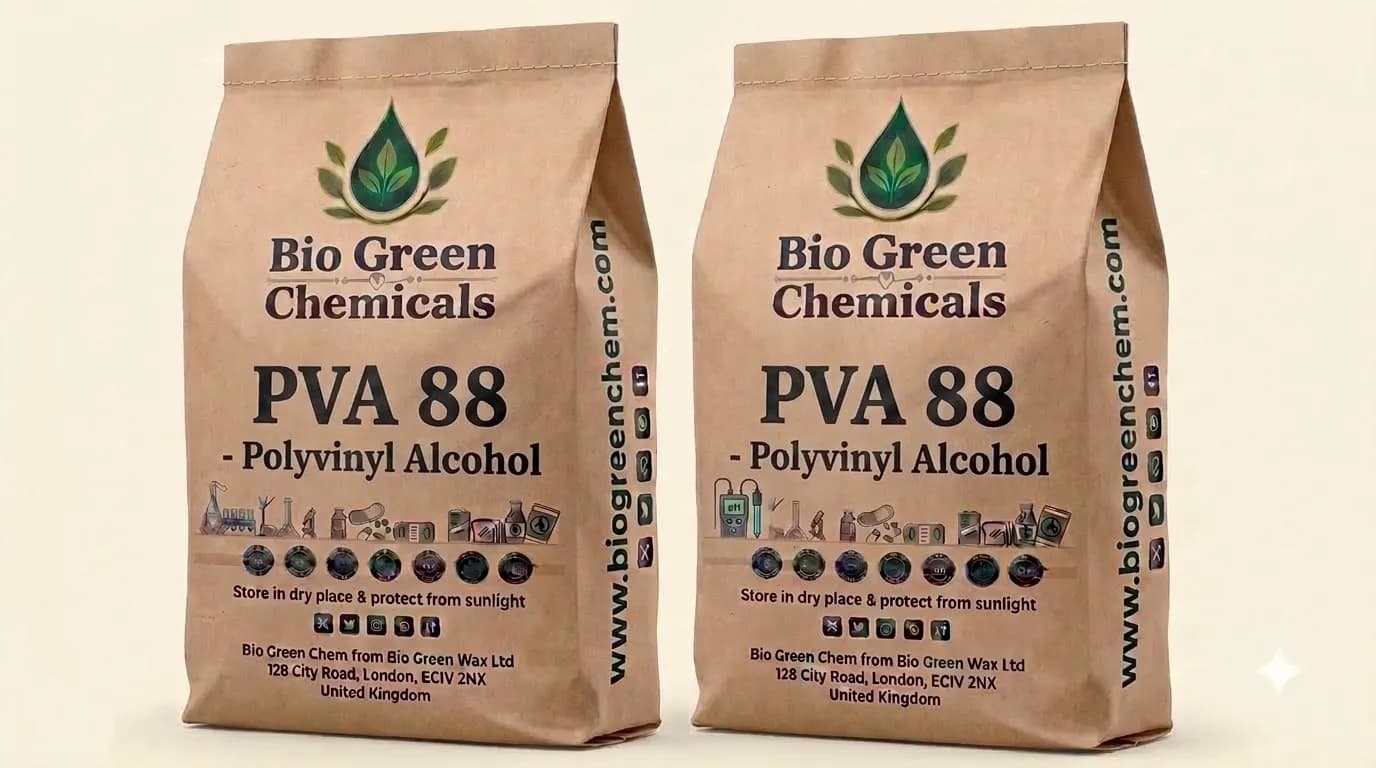
PVA 88 - Polyvinyl Alcohol
PVA 88 (CAS 9002-89-5) is polyvinyl alcohol hydrolysed to about 88 percent, leaving roughly one acetate group in eight. Those residual acetates are what make it soluble in cold water, unlike the fully hydrolysed grade.
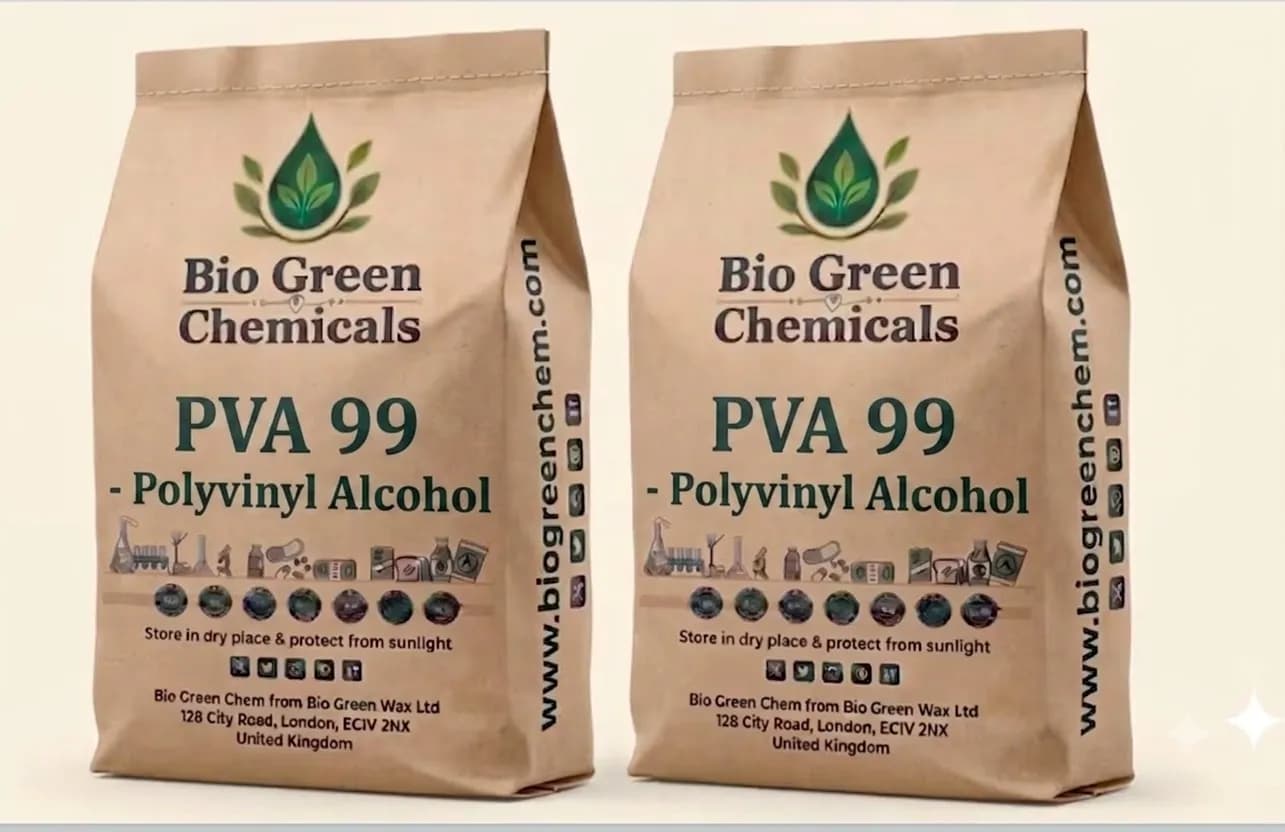
PVA 99 - Polyvinyl Alcohol
PVA 99 (CAS 9002-89-5) is polyvinyl alcohol hydrolysed to about 99 percent. The near-complete removal of acetate groups lets the chains crystallise, giving higher tensile strength and far better resistance to oil and solvent.
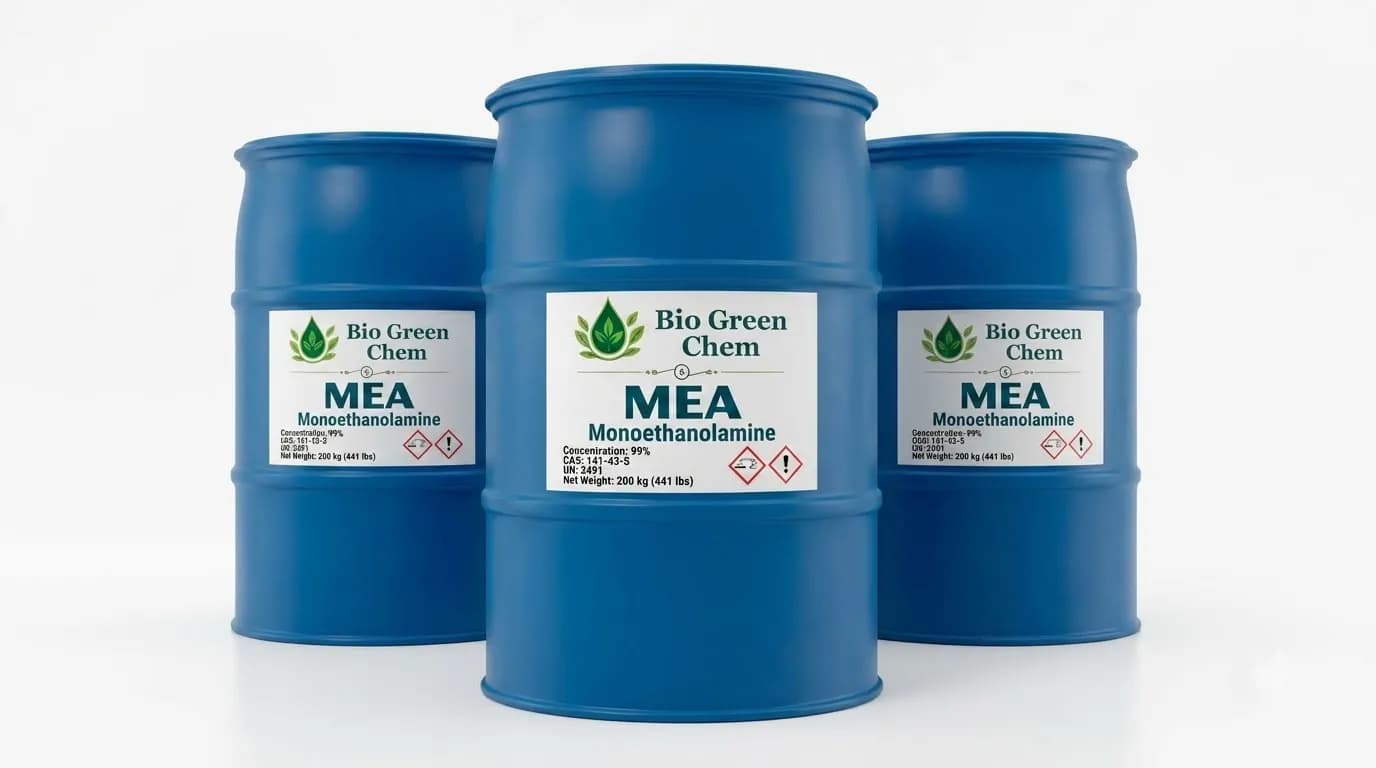
MEA - Monoethanolamine
Monoethanolamine, MEA (CAS 141-43-5), is the benchmark solvent for post-combustion carbon capture. It reacts chemically with carbon dioxide at low partial pressure, where physical solvents cannot absorb enough to be useful.
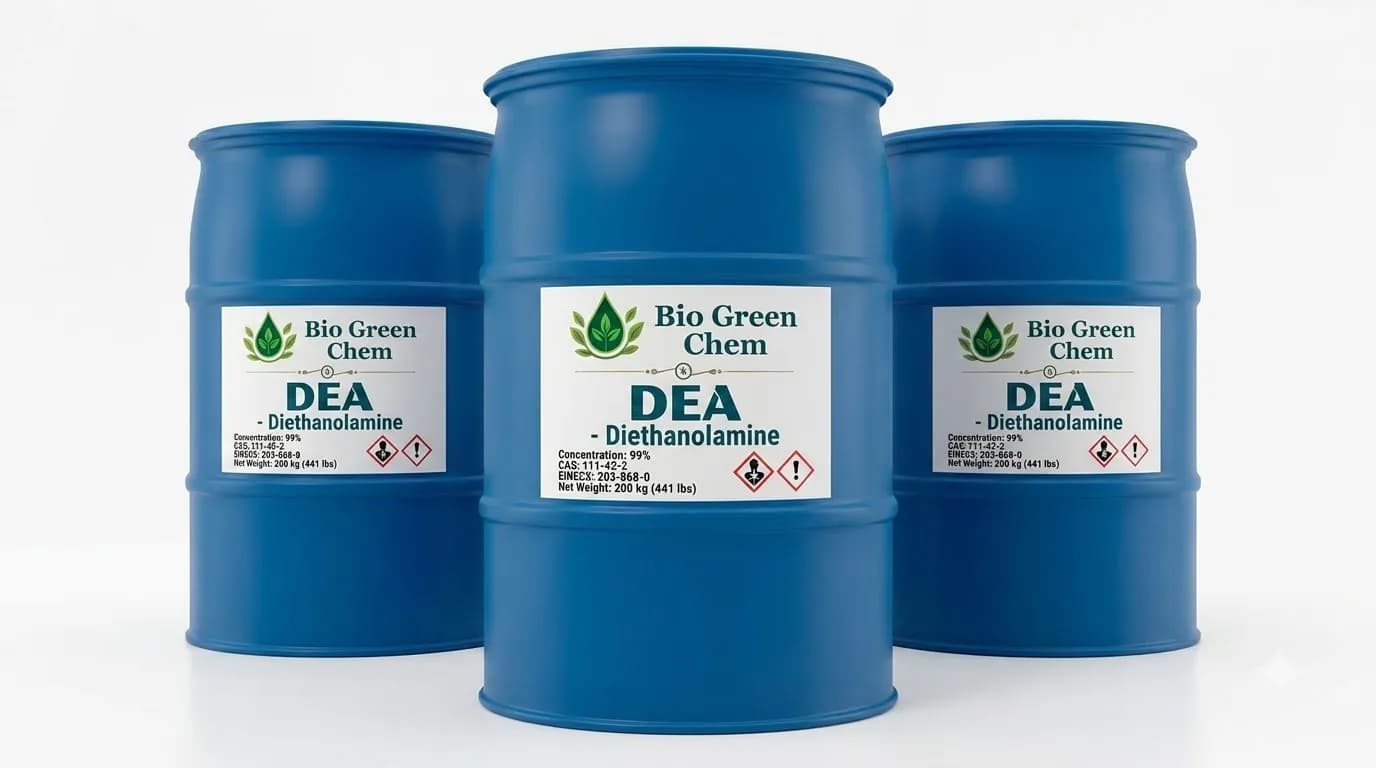
DEA - Diethanolamine
Diethanolamine, DEA (CAS 111-42-2), is a secondary amine used in gas treating and as a surfactant intermediate. Its position in personal care has narrowed sharply because secondary amines can form nitrosamines.