About This Product
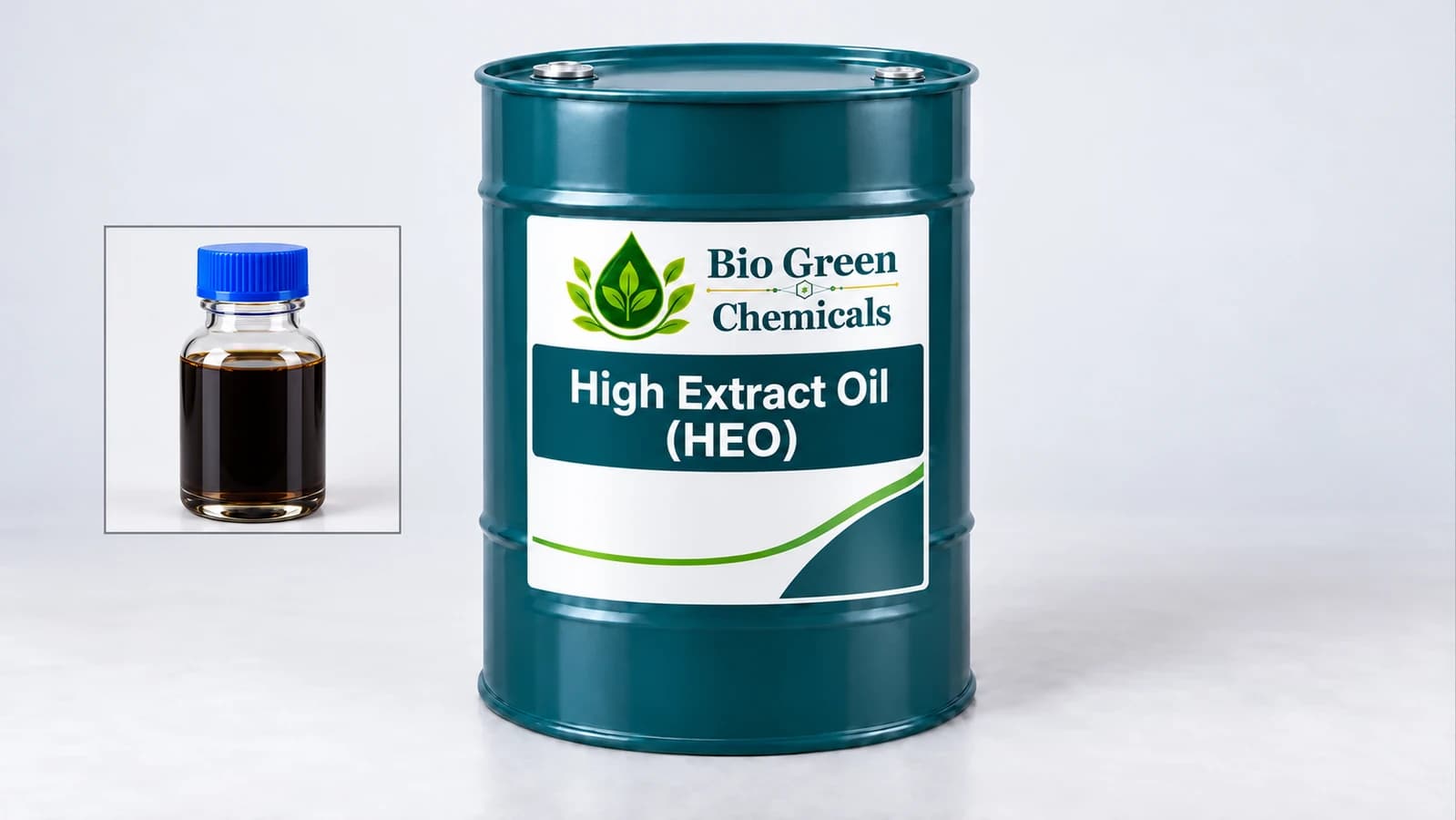
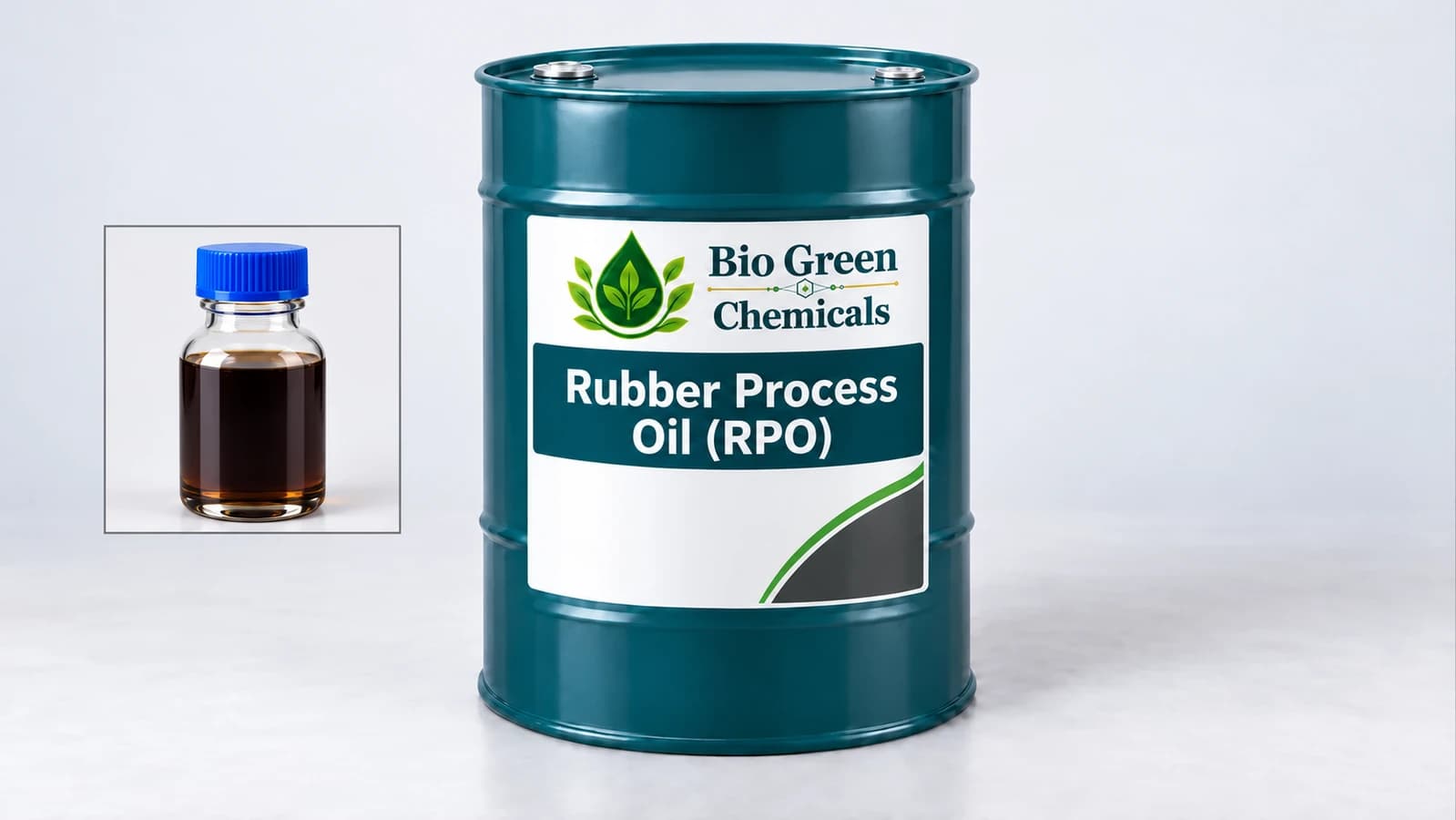
Rubber Process Oil is an aromatic oil taken from the heavy end of lube refining. When a heavy lube distillate is solvent extracted to make base oil, the solvent removes the condensed aromatic and polar molecules that would spoil the oxidation stability and viscosity index of a lubricant. That rejected material is what a rubber compounder wants: it is dense, it solvates unsaturated elastomers strongly and it wets carbon black readily, which is why aromatic oils have long been the standard extender and softener in tyre rubber. Two figures on the datasheet tell a compounder most of what matters. The viscosity gravity constant, VGC 0.94 – 0.99, is calculated from density and viscosity and rises with aromaticity; a value in this band puts the oil clearly on the aromatic side, well away from paraffinic and naphthenic oils, and predicts good compatibility with SBR, BR and natural rubber. Kinematic viscosity at 100 °C lies within 14.0 – 37.0 cSt. The window is broad, so the target for a given compound is best fixed on the offer: a heavier oil is less volatile and less inclined to bleed, while a lighter one softens the compound faster and brings mixing torque down sooner. The remaining limits are mostly about handling. Flash point (COC) is set at min 204 °C, which keeps fume and weight loss low at the temperatures reached in an internal mixer and on the extruder. A specific gravity of 0.961 – 1.046 means the oil is close to water in density, which matters for volumetric metering and compound density calculations. The pour point, max +27 °C, is the figure that catches buyers out: in a cool plant the oil can be thick or semi-solid, so heated storage, trace-heated lines or drum warming are normal practice. RPO goes into tread, sidewall and carcass compounds, retreading rubber, conveyor belt covers, hoses and extruded profiles where a dark, staining oil is acceptable. Within the process oil range on this site it sits at the heavy end beside High Extract Oil, while Low Extract Oil is the thinner extract and Carbon Black Feedstock Oil serves as a reactor feed rather than a compounding ingredient. Like any aromatic extract, RPO carries the hazard classification stated in its SDS, and storage and handling should follow that document. Bio Green Chem supplies RPO of Pakistani origin in drums, IBCs or ISO tanks, and can arrange other packaging to suit the receiving plant. Each lot is released with its certificate of analysis. The technical datasheet is offered as a download on this page; the safety data sheet is sent to buyers who ask for it.
Specifications
Applications
Packaging Options
- Drums
- IBC tanks
- ISO tanks
- Custom packaging